
 MONATIK
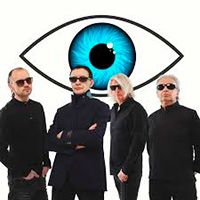
Piknik is a Soviet and Russian rock band formed in Leningrad, now Saint Petersburg, in 1978. The group’s modern creative history is primarily associated with Edmund Shklyarsky, who joined the band in 1981 and became its vocalist, guitarist, principal composer and lyricist.
Piknik’s music combines art rock, progressive rock, electronic music, post-punk, psychedelia, Gothic aesthetics and elements of symphonic and ethnic music. Theatrical concerts, unusual stage devices, mystical imagery and lyrics built around metaphors, paradoxes and philosophical narratives have become essential parts of the group’s work.
Among the band’s best-known songs are “Иероглиф”, “Египтянин”, “Фиолетово-чёрный”, “У шамана три руки”, “Королевство кривых”, “Немного огня”, “Я — пущенная стрела”, “Там, на самом краю земли”, “Говорит и показывает”, “Из мышеловки” and “Серебра!”.
Formation of the band
The history of Piknik began among students of the Leningrad Polytechnic Institute. The group was built around musicians who had previously played in the amateur band Orion.
The original lineup included:
- Alexey Dobychin — vocals and lyrics;
- Sergey Omelnichenko — guitar, vocals and songwriting;
- Yevgeny “Jacques” Voloshchuk — bass guitar;
- Nikolai Mikhailov — flute;
- Alexander Matskov — drums.
Matskov was later replaced by Alexander Kondrashkin, while flautist Yuri Danilov also joined the group. The early repertoire differed noticeably from the style later associated with Piknik: the musicians performed rock and roll, blues and original compositions by Dobychin and Omelnichenko.
For this reason, it is more accurate to describe Edmund Shklyarsky not as the founder of the group but as the leader of its best-known and longest-lasting creative period.
Arrival of Edmund Shklyarsky
Before joining Piknik, Edmund Shklyarsky played in amateur Leningrad groups, including Udivlenie, and later worked with musicians from Orion. He received musical training in piano and violin, although the guitar eventually became his principal instrument.
In 1981, Shklyarsky joined Piknik together with guitarist Alexander Savelyev. At that time, the group also included Alexey Dobychin, Yevgeny Voloshchuk and drummer Alik Bakhtiyarov. The band’s official archive identifies this lineup as the starting point of Piknik’s Shklyarsky era.
On March 7, 1981, the group performed at the opening of the Leningrad Rock Club. Participation in the Rock Club allowed the band to enter the circle of the city’s most important rock performers and gave it the opportunity to reach a wider audience.
The album “Дым”
In 1982, Piknik recorded its first album, “Дым”. The sessions took place at Andrei Tropillo’s studio and were completed within a short period.
The album included:
- “Ночь”;
- “Хоровод”;
- “Вечер”;
- “Очень интересно”;
- “Золушка”;
- “Деньги”;
- “Караван”;
- “Опиумный дым”.
The material reflected the group’s transitional character. Some songs were connected to the early lineup, while others already displayed the defining features of Shklyarsky’s songwriting style: theatricality, fantastic imagery, complex compositions and an interest in unusual harmonies.
In 1983, the group became a prize winner at the first Leningrad Rock Club Festival. However, internal disagreements and constant lineup changes soon led to a split.
“Танец волка” and the formation of a distinctive style
After the breakup of the previous lineup, Edmund Shklyarsky and Alexander Savelyev remained in the group. With the participation of session musicians, they recorded the album “Танец волка” in 1984.
The music and lyrics were written by Shklyarsky, who also performed the vocal, guitar and keyboard parts. Leonid Kirnos played drums. The album included “Много дивного на свете”, “Инквизитор”, “Я иду по дну”, “Великан”, “А учили меня летать” and “Железный орех”.
It was during this period that Piknik’s recognisable artistic world began to take shape. The songs introduced characters from fantastic and Gothic literature, mysterious cities, wanderers, mechanical creatures, giants, alchemists and people existing on the border between dream and reality.
“Иероглиф” and the first major tours
By the middle of the 1980s, the group had formed its first stable touring lineup. Alongside Shklyarsky, it included bass guitarist Viktor Yevseyev, keyboardists Yuri Klyuchantsev and Sergey Voronin, drummer Vadim Ponomaryov and guitarist Alexander Savelyev.
In 1986, the album “Иероглиф” was recorded. It included the songs:
- “Остров”;
- “Иероглиф”;
- “Праздник”;
- “Ты вся из огня”;
- “Ночь”;
- “Телефон”;
- “Пикник”;
- “Великан”.
The title track became one of the group’s principal songs. Musically, the album combined progressive rock, electronic keyboards, symphonic techniques and Shklyarsky’s characteristically detached vocal delivery.
During this period, the group received official permission to tour. Its performances began to feature more elaborate lighting, costumes and stage effects.
“Родом ниоткуда” and the end of the 1980s
The album “Родом ниоткуда” was released in 1988. It included “Я невидим”, “Интересно”, “Нет берегов”, “Романс”, “Это он”, “Стоя на этой лестнице”, “Дай себя сорвать” and “Всё остальное — дым”.
By the end of the decade, the lineup had changed again. At different times, Sergey Voronin, Yuri Klyuchantsev, Viktor Yevseyev, Vladimir Sizov, Alexander Savelyev, Vadim Ponomaryov and Leonid Kirnos worked with the group. Kirnos, who had first participated in the recording of “Танец волка”, later became the band’s permanent drummer.
“Харакири”
The album “Харакири” was released in 1991. It continued the philosophical and mystical direction of the group’s work and contained several songs that became live classics:
- “Настоящие дни”;
- “Мы как трепетные птицы”;
- “Я — пущенная стрела”;
- “Там, на самом краю земли”;
- “Течёт большая река”;
- “С тех пор, как сгорели дома”;
- “Это река Ганг”;
- “Новая азбука”.
“Я — пущенная стрела” is built around the image of continuous movement and the impossibility of stopping a journey once it has begun. “Там, на самом краю земли” became one of the group’s most lyrical works.
Work during the 1990s
Contrary to the original text, the group has no official albums titled “Нечего терять” or “Кремль”. Its actual discography from the decade is different.
In 1994, Piknik released the album “Немного огня”, whose title track became one of the group’s signature songs. The record was distinguished by a concise, dark yet melodic sound.
It was followed by:
- “Вампирские песни” — 1995;
- “Жень-шень” — 1996;
- “Стекло” — 1998;
- “Пить электричество” — 1999.
“Вампирские песни” developed the Gothic and literary aspects of the group’s work. “Жень-шень” included “Немое кино”, “Танцующие на свечах” and “Шаги короля”. The album “Стекло” featured “Шарманка”, “Глаза очерчены углём” and “Навуходоносор”, while the experimental project “Пить электричество” strengthened the electronic and industrial side of the band’s sound.
“Египтянин” and a new rise in popularity
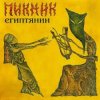
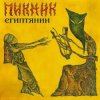
In 2001, the group released the album “Египтянин”. It included “Фиолетово-чёрный” and “Египтянин”, which became two of Piknik’s most recognisable works.
The album also contained “Миллион в мешке”, “Ни твоё, ни моё”, “Ты — Королева Ночи”, “Через 10 000 лет”, “Перламутр и пырей” and “Взгляд туманный пьёт нирвану”.
“Египтянин” combined the group’s characteristic rock sound with Eastern intonations, electronic rhythms and the visual aesthetics of ancient cultures. For live performances, Shklyarsky created unusual instruments and stage mechanisms that transformed the concert into an independent theatrical production.
Albums of the early 2000s
“Египтянин” was followed by:
- “Чужой” — 2002;
- “Говорит и показывает” — 2003;
- “Тень вампира” — 2004;
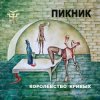
- “Королевство кривых” — 2005.
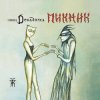
“Тень вампира” was recorded with Vadim Samoilov of the group Agatha Christie and was released under the name “Пикник + Вадим Самойлов”. The project united themes of mysticism, duality, fear and internal transformation that were close to both artists.
The album “Королевство кривых” included “У шамана три руки”, the title track, “И летает голова то вверх, то вниз”, “Ветер лилипутов” and “Из коры себе подругу выстругал”.
In 2003, bass guitarist Marat Korchemny joined the permanent lineup, replacing previous performers in that role.
“Мракобесие и джаз” and “Железные мантры”
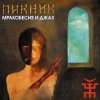
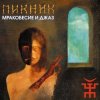
The album “Мракобесие и джаз” was released in 2007. The song “Из мышеловки” was used as the musical theme for the television series “Закон мышеловки”. The album’s title emphasised the group’s characteristic combination of seemingly incompatible images and genres.
The album “Железные мантры” was released in 2008, not in 1997 as stated in the original version. It included “Недобитый романтик”, “Гиперболоид”, “Колдыри да колдобины”, “Лунатики”, “Дом мой на двух ногах” and the title track.
In 2008, Stanislav Shklyarsky, Edmund Shklyarsky’s son, became the permanent keyboardist. From this period onward, the group’s core lineup remained virtually unchanged.
Work during the 2010s
During the 2010s, Piknik continued to release studio albums regularly and created a separate concert production for each release.
The following albums appeared during this period:
- “Театр абсурда” — 2010;
- “Три судьбы” — 2011;
- “Певец декаданса” — 2012;
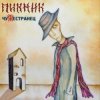
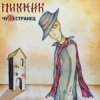
- “Чужестранец” — 2014;
- “Искры и канкан” — 2017;
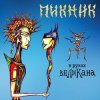
- “В руках великана” — 2019.
“Азбука Морзе” is not a separate album. It was the title of the group’s 2013–2014 concert programme, while the song of the same name appeared on the album “Чужестранец”. The project featured new mechanical characters and stage-design elements connected to the idea of encoded messages.
The titles “Никто, кроме нас” and “Зловещие вещи”, identified as albums in the original text, do not appear in the group’s official discography. The complete list of releases is confirmed by the catalogue on the official website.
“Весёлый и злой” and “Один на один”
In 2022, the group released the album “Весёлый и злой”. Its title conveyed one of the constant features of Piknik’s work: the combination of disturbing, dark imagery with grotesque humour, irony and almost carnival-like theatricality.
The album “Один на один” appeared in 2024 and consisted of fourteen compositions. It included the title track, “Вдоль по улице, по бесстыжей”, “А зовут его Оторви и Брось”, “Гитары тихие рыданья”, “Пурпурный всем миром правит”, “Маски”, “Турандот” and other works.
Piknik’s official discography therefore covers the period from “Дым” in 1982 to “Один на один” in 2024 and includes 25 albums classified by the official website as part of the main discography.
The Crocus City Hall terrorist attack
On March 22, 2024, Piknik were scheduled to perform at Crocus City Hall in Krasnogorsk. Shortly before the concert was due to begin, an armed attack was carried out against visitors, after which a fire broke out in the building.
The band members were evacuated and were not physically injured. Yekaterina Kushner, an assistant to the group’s concert director, was killed in the terrorist attack.
On March 27, the group held a memorial concert in Saint Petersburg. The performance began with a minute of silence, while the funds raised were directed to those injured and to the families of the victims.
This episode became one of the most tragic pages not only in Piknik’s history but also in the history of the Russian concert industry.
Musical style
Piknik’s music is difficult to define within a single genre. Rock remains its foundation, although during different periods the group has used elements of:
- progressive rock and art rock;
- post-punk;
- Gothic and psychedelic music;
- electronic and industrial music;
- symphonic arrangements;
- folk and Eastern intonations;
- chamber and experimental music.
Instead of traditional rock directness, Shklyarsky often uses repetitive hypnotic figures, marching rhythms, layers of keyboards, unexpected pauses and vocal declamation.
Eastern and mystical aesthetics are important parts of the group’s work but do not define its entire catalogue. Some albums place greater emphasis on Gothic themes, while others foreground electronic, symphonic, industrial or folk elements.
Edmund Shklyarsky’s lyrics
Piknik’s songs rarely tell realistic stories directly. Their characters exist in an imaginary space between dreams, myths, urban folklore and philosophical parables.
The lyrics regularly feature:
- doubles and invisible people;
- kings, shamans and wanderers;
- dolls and mechanical creatures;
- giants and dwarfs;
- alchemical and religious symbols;
- images of journeys, fire, mirrors, shadows and transformation.
Shklyarsky generally does not provide a single definitive interpretation of his songs. The lyrics are constructed so that the listener can perceive them as fantastic narratives, psychological metaphors or philosophical reflections.
Concert theatre
Stage productions occupy a special place in the group’s history. Piknik’s concerts combine musical performance with elements of theatre, performance art, illusion and mechanical art.
Different programmes featured moving figures, illuminated instruments, masks, giant characters, rotating structures and devices on which Shklyarsky performed individual parts.
The titles of concert programmes were often connected with albums or key songs: “Королевство кривых”, “Мракобесие и джаз”, “Железные мантры”, “Театр абсурда”, “Азбука Морзе”, “Чужестранец”, “Искры и канкан”, “В руках великана” and “Один на один”.
As a result, Piknik developed its own model of rock theatre in which the scenery does not simply accompany the music but continues its narratives and imagery.
Band members
The core lineup established in 2008:
- Edmund Shklyarsky — vocals, guitar, music and lyrics;
- Marat Korchemny — bass guitar;
- Stanislav Shklyarsky — keyboards;
- Leonid Kirnos — drums.
Throughout the group’s history, its members have also included Alexey Dobychin, Sergey Omelnichenko, Yevgeny Voloshchuk, Alexander Savelyev, Sergey Voronin, Viktor Yevseyev, Yuri Klyuchantsev, Vadim Ponomaryov, Alexander Rokin and other musicians.
Main discography
- 1982 — “Дым”
- 1984 — “Танец волка”
- 1986 — “Иероглиф”
- 1988 — “Родом ниоткуда”
- 1991 — “Харакири”
- 1994 — “Немного огня”
- 1995 — “Вампирские песни”
- 1996 — “Жень-шень”
- 1998 — “Стекло”
- 1999 — “Пить электричество”
- 2001 — “Египтянин”
- 2002 — “Чужой”
- 2003 — “Говорит и показывает”
- 2004 — “Тень вампира”
- 2005 — “Королевство кривых”
- 2007 — “Мракобесие и джаз”
- 2008 — “Железные мантры”
- 2010 — “Театр абсурда”
- 2011 — “Три судьбы”
- 2012 — “Певец декаданса”
- 2014 — “Чужестранец”
- 2017 — “Искры и канкан”
- 2019 — “В руках великана”
- 2022 — “Весёлый и злой”
- 2024 — “Один на один”
Significance of the group
Piknik occupies a special place in the history of Leningrad and Russian rock. Unlike groups whose work was built around social commentary or everyday realism, Piknik created an autonomous artistic world with its own system of imagery, stage characters and musical techniques.
Its longevity is connected not only with the popularity of individual songs. For decades, Piknik has retained a recognisable authorial foundation while simultaneously introducing electronic technologies, new instruments and theatrical forms into its music.
Piknik is a rock band, musical theatre and an independent artistic project whose central figure remains Edmund Shklyarsky. From the early Leningrad Rock Club period and the album “Дым” to large-scale concert productions and later studio works, the group has consistently developed its own aesthetic based on mysticism, irony, philosophical poetry and a free combination of musical genres.