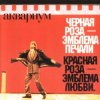
 Ленинград

Aquarium (Russian: «Аквариум») is a rock band founded in 1972 in Leningrad by Boris Grebenshchikov and Anatoly “George” Gunitsky. The group's principal songwriter, vocalist and enduring creative centre became Boris Grebenshchikov (BG). Aquarium played a key role in the development of the Leningrad rock scene and had a major influence on the evolution of Russian-language rock music.
Over the decades, the band's sound has incorporated rock, folk, reggae, art rock, new wave, psychedelia, jazz and music from various ethnic traditions. An equally distinctive part of Aquarium's identity is Grebenshchikov's songwriting, which combines everyday language, literary allusions, religious imagery, absurdism and a symbolic system of his own.
Formation of the band
The history of Aquarium began in the summer of 1972, when Boris Grebenshchikov and Anatoly Gunitsky decided to form their own band. Gunitsky wrote poetry and dramatic texts and, during the early period, also participated in the musical side of the project.
Over the following years, a circle of musicians formed around them, including Mikhail Feinstein, Andrei “Dyusha” Romanov, Vsevolod Gakkel and other future members of the band. Edmund Shklyarsky, who later became the leader of Piknik, also briefly crossed paths with the early Aquarium, but he was not one of the group's founders.
During its first years, the band existed almost entirely outside the official music industry. Rehearsals, home recordings and small performances took place in an environment where independent rock music had almost no access to professional studios or concert venues.
Early recordings
The band's early period includes the tape recordings «Искушение Святого Аквариума» from 1973, «Притчи графа Диффузора» from 1974 and «С той стороны зеркального стекла» from 1976.
These recordings differ greatly in sound quality and production methods from the band's later studio albums, but they make it possible to hear Aquarium's musical language gradually taking shape. Even at this stage, Grebenshchikov was combining Western rock traditions with Russian-language poetry, irony and free-form song structures.
Tbilisi-80
One of the most famous episodes in Aquarium's early history was its performance at the festival «Весенние ритмы. Тбилиси-80» (“Spring Rhythms. Tbilisi-80”).
The musicians' stage behaviour differed sharply from the official standards of concert performance accepted at the time. Their appearance led to a conflict with the organisers and jury. After the festival, Boris Grebenshchikov lost his job at a scientific institute and was expelled from the Komsomol.
The scandal seriously complicated the band's ability to operate officially, but at the same time made Aquarium one of the best-known groups in the Soviet rock underground.
«Синий альбом» and «Треугольник»
The beginning of the 1980s became one of the most productive periods in the band's history.
In 1981, Aquarium released «Синий альбом» and «Треугольник». The latter stood out in particular for its absurdist lyrics, theatricality and unusual arrangements. «Электричество» was also created during the same period.
In 1982, «Акустика. История Аквариума. Том I» and «Табу» appeared. Cello, flute, keyboards and other instruments rarely heard in Soviet rock music of the period became increasingly prominent in the band's sound.
Leningrad Rock Club
After the Leningrad Rock Club opened in 1981, Aquarium gained an opportunity to perform on a relatively legal stage and became one of the central bands of the emerging musical community.
At different times, important roles alongside Grebenshchikov were played by Andrei Romanov, Vsevolod Gakkel, Mikhail Feinstein, Alexander Titov and Alexander Lyapin. Composer and pianist Sergey Kuryokhin also worked closely with Aquarium.
«Радио Африка»
In 1983, Aquarium released «Радио Африка», one of the defining works of the band's classic period.
The album combined rock, new wave, reggae, avant-garde and experimental music. One of its central songs was «Рок-н-ролл мёртв», which eventually became one of Aquarium's best-known compositions.
Sergey Kuryokhin played an active role in the recording, with his keyboards and improvisational approach strengthening the experimental side of the material.
«День серебра» and «Дети декабря»
The next major stage was «День серебра», released in 1984. The music acquired a more cohesive and intimate sound, while acoustic instruments became even more important.
In 1985, the album «Дети декабря» appeared. By this time Aquarium already had a huge audience, even though much of its music was still distributed through unofficial cassette copies.
In 1986, «Десять стрел» was released, consisting primarily of live recordings from 1985–1986. The song «Город», which appeared on the album, was recorded separately in the studio. This release closes one of the most important chapters of the band's tape-recording era.
«Равноденствие» and nationwide recognition
During the second half of the 1980s, the Soviet state's attitude toward rock music gradually began to change. Bands received more opportunities for official concerts, recording sessions and appearances in the media.
In the autumn of 1987, Aquarium recorded «Равноденствие». The album was officially released by the Melodiya label in May 1988, marking an important stage in the band's transition from the tape underground to professional recording.
One of the album's best-known songs became «Аделаида». Separately, in 1988, the band recorded «Поезд в огне», which was not included on «Равноденствие» but became one of Aquarium's most famous songs from this period.
By the end of the decade, Aquarium's audience had expanded far beyond the Leningrad rock community.
Radio Silence
At the end of the 1980s, Boris Grebenshchikov received an opportunity to work on the international music market.
In 1989, the English-language album Radio Silence was released, produced by Dave Stewart of Eurythmics. Western musicians including Annie Lennox, Chrissie Hynde and Ray Cooper participated in the recording.
Radio Silence is a solo album by Boris Grebenshchikov, so it should not be included in Aquarium's studio discography.
The end of the classic lineup
By the beginning of the 1990s, the lineup associated with Aquarium's classic era had effectively ceased to exist.
Grebenshchikov formed BG-Band, with which he turned toward a more acoustic sound, Russian folklore and religious imagery. This period resulted in «Русский альбом» in 1992 — a solo work by Boris Grebenshchikov rather than an Aquarium album.
Aquarium's return in the 1990s
After the BG-Band period, Grebenshchikov returned to the name Aquarium. A new lineup began taking shape in 1992 and differed considerably from the band of the classic Leningrad period.
In 1993, «Любимые песни Рамзеса IV» was released. «Пески Петербурга» followed in May 1994, and «Кострома Mon Amour» appeared in the autumn of the same year.
Folk, acoustic instruments and elements of various national traditions became increasingly important in the music, while Grebenshchikov's songs more frequently turned to historical, spiritual and mythological imagery.
«Навигатор» and «Снежный лев»
In 1995, Aquarium released «Навигатор», which included the songs «Не пей вина, Гертруда», «Гарсон №2» and other works by the new lineup.
A year later came «Снежный лев». These albums established the musical model of Aquarium in the 1990s: rock was increasingly combined with folk and acoustic music, while studio arrangements became more intimate.
In 1999, the band's discography continued with Ψ.
Aquarium in the 21st century
The band maintained a high level of studio activity in the new century.
«Сестра Хаос» was released in 2002, followed by «Песни рыбака» in 2003 and ZOOM ZOOM ZOOM in 2005. On these recordings, Aquarium's familiar acoustic foundation existed alongside contemporary studio techniques and influences from music of different cultures.
In 2006, the band released «Беспечный русский бродяга», followed by «Лошадь белая» in 2008 and «Пушкинская, 10» in 2009.
«Архангельск» appeared in 2011, followed by «Аквариум +» in 2013.
During this period, it is especially important to distinguish the band's discography from BG's solo work. The albums «Соль» and «Время N» were released under Boris Grebenshchikov's name and are not part of Aquarium's core discography.
Later period
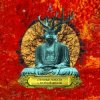
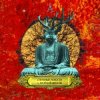
In 2020, «Тор» was released as an archival compilation in the «История Аквариума» series. It brought together recordings from different periods that had not previously been collected on a separate release, so it is more accurate to treat it separately from the band's regular studio albums.
In 2022, «Дом Всех Святых» was released. Boris Grebenshchikov and some of the musicians later continued their live activity under the name BG+.
Aquarium's history has always been built around changing lineups, so the band's name has represented substantially different groups of musicians at different times. The constant centre of this history has remained Boris Grebenshchikov's songs and musical direction.
Musical style
There is no single genre definition that fully describes Aquarium. Its early albums contain rock and roll, new wave, reggae, art rock and psychedelia. Jazz and avant-garde elements became more prominent in the 1980s, while later works increasingly incorporated folk, Celtic music and instruments from various national traditions.
The connecting element remains Grebenshchikov's distinctive songwriting language. His songs combine everyday observations with literary references, Christian and Buddhist symbolism, folklore and deliberately ambiguous imagery.
Main Aquarium discography
- 1981 — «Синий альбом»
- 1981 — «Треугольник»
- 1981 — «Электричество»
- 1982 — «Акустика. История Аквариума. Том I»
- 1982 — «Табу»
- 1983 — «Радио Африка»
- 1984 — «День серебра»
- 1985 — «Дети декабря»
- 1986 — «Десять стрел» — primarily live recordings
- 1988 — «Равноденствие» — recorded in 1987
- 1993 — «Любимые песни Рамзеса IV»
- 1994 — «Пески Петербурга»
- 1994 — «Кострома Mon Amour»
- 1995 — «Навигатор»
- 1996 — «Снежный лев»
- 1999 — Ψ
- 2002 — «Сестра Хаос»
- 2003 — «Песни рыбака»
- 2005 — ZOOM ZOOM ZOOM
- 2006 — «Беспечный русский бродяга»
- 2008 — «Лошадь белая»
- 2009 — «Пушкинская, 10»
- 2011 — «Архангельск»
- 2013 — «Аквариум +»
- 2022 — «Дом Всех Святых»
The early tape recordings of the 1970s, archival releases and Boris Grebenshchikov's solo works are best considered separately. «Тор» (2020), which continues the «История Аквариума» archival series, also belongs to this category.
Key songs
- «Рок-н-ролл мёртв»
- «Город»
- «Сидя на красивом холме»
- «212-85-06»
- «Аделаида»
- «Поезд в огне»
- «Не пей вина, Гертруда»
- «Гарсон №2»
- «Древнерусская тоска»
«Город» occupies a special place in Aquarium's repertoire: it was not written by Boris Grebenshchikov. The lyrics were written by Anri Volokhonsky, while the music is associated with Vladimir Vavilov. Aquarium's performance became one of the best-known versions of the work.
The significance of Aquarium
Aquarium was formed long before an official infrastructure for Soviet rock existed and travelled alongside that culture from home tape recordings and semi-legal concerts to professional studios and major stages.
The classic albums of the 1980s became part of the history of the Leningrad rock movement, while later lineups allowed the group to continually change its musical language without turning its own past into an unchanging formula.
The main constant throughout Aquarium's history remains the songwriting of Boris Grebenshchikov. It is this music that connects the early experimental recordings, the classic Leningrad period, the folk-oriented aesthetics of the 1990s and the later works into one long and continuous story.