Black Metal — history of the genre, best bands and albums | Minatrix.FM | Page: 3
Cradle Of Filth - MIdian Song2
01:58 1.86Mb [128 kbps] 46 0 0 25.05.2026 layden TOP 100 Metal, Black Metal
Cradle Of Filth - Gabrielle
05:27 9.82Mb [250 kbps] 45 0 0 24.05.2026 layden TOP 100 Metal, Black Metal
Apolaustic - Fragments from a Misty Journey
05:14 12.07Mb [320 kbps] 25 0 0 22.05.2026 layden TOP 100 Metal, Black Metal
Cradle Of Filth - Funeral In Carpathia (Be Quick Or Be Dead Version)
08:08 11.24Mb [192 kbps] 24 0 0 21.05.2026 layden TOP 100 Metal, Black Metal

Finntroll - Det Iskalla Trollblodet
03:55 4.78Mb [168 kbps] 23 0 0 20.05.2026 layden TOP 100 Metal, Black Metal
Cradle Of Filth - From The Cradle To Enslave
06:36 9.14Mb [192 kbps] 11 0 0 19.05.2026 layden TOP 100 Metal, Black Metal
Death Dies - Trivia Soteira
03:00 6.94Mb [320 kbps] 18 0 0 17.05.2026 layden TOP 100 Metal, Black Metal

Марсель Давлетов - Наёмник
04:04 9.40Mb [320 kbps] 4255 0 0 05.05.2026 User_13427 TOP 100 Metal, Black Metal

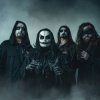
Cradle Of Filth - Filthy Little Secret
06:15 11.27Mb [249 kbps] 19 0 0 03.05.2026 layden TOP 100 Metal, Black Metal

Cradle Of Filth - Dusk And Her Embrace
06:08 8.51Mb [192 kbps] 21 0 0 30.04.2026 layden TOP 100 Metal, Black Metal
Cradle Of Filth - Scorched Earth Erotica
04:57 6.87Mb [192 kbps] 14 0 0 27.04.2026 layden TOP 100 Metal, Black Metal

Finntroll - Skogens Hamnd
04:05 4.78Mb [160 kbps] 29 0 0 25.04.2026 layden TOP 100 Metal, Black Metal
Popular music genres
All genres →Black Metal — history, genre characteristics and the best bands
Black Metal is an extreme subgenre of metal music, distinguished by its dark atmosphere, aggressive sound, philosophical depth and distinctive aesthetic. The genre emerged in the 1980s and gained widespread development in the early 1990s, becoming one of the most influential directions in extreme music. Black Metal is characterized by fast tempos, cold and “raw” guitar tones, piercing vocals, and lyrical themes related to the occult, anti-Christianity, natural mysticism and the philosophy of individualism.
Today, Black Metal represents a global scene with thousands of bands around the world and dozens of stylistic branches — ranging from atmospheric and symphonic to experimental and post-black metal.
The origins of Black Metal
The roots of Black Metal trace back to the late 1970s and early 1980s, when several bands began experimenting with darker and more extreme sounds than traditional heavy metal.
The genre’s name became firmly established after the release of the album “Black Metal” (1982) by the British band Venom. Although their music is closer to speed metal by modern standards, their aesthetic and themes had a huge influence on the future development of the genre.
The first wave of Black Metal (1980s)
The first wave includes bands that shaped the foundation of the genre’s sound and aesthetic:
- Venom
- Bathory
- Hellhammer / Celtic Frost
- Mercyful Fate
- Sodom
The Swedish band Bathory played a particularly important role, as their early sound became the blueprint for later generations of Black Metal artists.
The second wave of Black Metal (1990s)
The most significant stage in the development of the genre took place in Norway in the early 1990s. It was during this period that the sound now considered classic Black Metal was formed.
Key bands include:
- Mayhem
- Burzum
- Darkthrone
- Emperor
- Immortal
- Gorgoroth
- Satyricon
The Norwegian scene became known not only for its music but also for controversial events — including church burnings, criminal conflicts between musicians and strong anti-Christian ideology. These events made Black Metal one of the most widely discussed movements in the history of extreme music.
Musical and technical characteristics
Black Metal has several distinctive musical features that set it apart from other forms of metal music.
Guitar sound
- fast tremolo picking riffs
- high playing speed
- cold and “raw” guitar tone
- often minimal sound processing
Drums
- frequent use of blast beats
- very high tempos
- rhythmic aggression
Vocals
- high-pitched, hysterical screaming vocals
- sometimes whispering, spoken passages or choir elements
- traditional singing is rarely used
Atmosphere
Black Metal aims to create a distinctive dark and cold atmosphere, often inspired by:
- northern landscapes
- ancient mythologies
- nihilistic philosophy
- occult traditions
Production
Early recordings of the genre were intentionally produced with low sound quality (lo-fi production) in order to preserve the cold and “raw” atmosphere. Over time, higher-quality and more symphonic productions began to appear.
Themes and aesthetics
Black Metal is distinguished by a unique visual and philosophical aesthetic.
Main themes
- anti-Christianity
- paganism
- occultism
- mysticism
- romanticism of nature
- individualism
- the philosophy of darkness and chaos
Visual style
One of the most recognizable elements of Black Metal became the stage makeup known as corpse paint — black-and-white makeup designed to create the appearance of a “dead” face.
Other common elements include:
- spiked bracelets
- leather clothing
- inverted crosses
- medieval and pagan symbolism
Black Metal subgenres
Over time, Black Metal has developed into numerous stylistic branches.
- Atmospheric Black Metal — strong emphasis on atmosphere and long compositions.
- Symphonic Black Metal — use of orchestral arrangements and keyboards.
- Depressive Suicidal Black Metal (DSBM) — a slow and emotionally heavy style.
- Post-Black Metal — a fusion of Black Metal with post-rock and atmospheric genres.
- Blackgaze — a blend of Black Metal and shoegaze.
Iconic albums and tracks
Some recordings are considered classics of the genre and had a major influence on the development of Black Metal:
Mayhem — De Mysteriis Dom Sathanas (1994)
One of the most famous albums of the Norwegian scene.
Burzum — Filosofem (1996)
An atmospheric and minimalist album that strongly influenced atmospheric Black Metal.
Emperor — In the Nightside Eclipse (1994)
A classic example of symphonic Black Metal.
Darkthrone — A Blaze in the Northern Sky (1992)
One of the albums that shaped the sound of the second wave of the genre.
Immortal — At the Heart of Winter (1999)
A more epic and melodic evolution of the style.
Today Black Metal continues to develop worldwide — scenes exist across Europe, the United States, South America, Japan and Eastern Europe.
Interesting facts about Black Metal
1. Norway became the center of the genre
Despite its British roots, it was the Norwegian scene that shaped the modern sound of Black Metal.
2. The genre influenced other styles
Black Metal has influenced post-metal, shoegaze, industrial and even ambient music.
3. Black Metal is one of the most ideologically driven genres
The music is often accompanied by philosophy, worldview and a distinctive aesthetic.
4. Many albums were recorded almost entirely by one person
For example, the project Burzum was largely created by a single musician — Varg Vikernes.
Black Metal today
Modern Black Metal has become significantly more diverse. In addition to the traditional “raw” sound, there are now:
- atmospheric projects
- avant-garde Black Metal
- folk influences
- post-black metal
The genre continues to evolve and attract new audiences while remaining one of the most influential forms of extreme music.
Black Metal remains an important part of global metal culture, combining music, philosophy and a unique artistic aesthetic. Thanks to its atmosphere and ideological depth, the genre continues to inspire new generations of musicians and listeners.