Blues — Listen Online, History of the Blues and Greatest Artists | Minatrix.FM | Page: 18
Fearless Scoundrels - Boogie Man
04:20 10.00Mb [320 kbps] 85 0 0 13.07.2025 layden TOP 100 Rock, Blues
Little Big Wolf - Pinkie Brown's House
06:50 15.75Mb [320 kbps] 65 0 0 11.07.2025 layden TOP 100 Rock, Blues
Raoul and The Big Time - Ludella Intro
00:55 2.21Mb [320 kbps] 69 0 0 10.07.2025 layden TOP 100 Rock, Blues


Little Steve and The Big Beat - Just Fooling Around
02:37 6.09Mb [320 kbps] 72 0 0 10.07.2025 layden TOP 100 Rock, Blues
Jono Manson - Always Will Always Mean You
02:48 6.51Mb [320 kbps] 81 0 0 10.07.2025 layden TOP 100 Rock, Blues

Anson Funderburgh - Look What'cha Done
02:44 6.34Mb [320 kbps] 63 0 0 10.07.2025 layden TOP 100 Rock, Blues


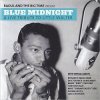
Raoul and The Big Time - Crazy Legs (Doctor Nick & The Rollercoasters)
03:05 7.18Mb [320 kbps] 63 0 0 08.07.2025 layden TOP 100 Rock, Blues
Popular music genres
All genres →Blues: The Music That Shaped the Modern World
Blues is one of the most important genres in the history of popular music. Its influence can be heard in rock and roll, jazz, soul, rhythm and blues, rock, funk and many forms of contemporary music. Blues gave the world not only a distinctive harmonic structure and expressive performance style, but also a new way of communicating personal experience through music.
Blues is built on powerful emotions, recurring musical phrases, dialogue between voice and instrument, and characteristic notes that create a sense of inner tension. However, Blues is not limited to slow and sorrowful songs. It can be danceable, humorous, hard-edged, energetic, acoustic or fully electric.
On Minatrix.FM, you can listen to Blues online, explore the genre’s classic sound and discover modern compositions that preserve its expressive power and musical freedom.
The Origins of Blues
Blues emerged in African American communities in the southern United States around the turn of the 20th century. Its origins are connected to work songs, spirituals, field hollers, oral musical traditions and the musical dialogue system known as call and response.
The earliest blues songs were passed down primarily through oral tradition. They were performed without fixed arrangements, allowing the lyrics, rhythm and melody to change depending on the musician and the situation. Performers told stories about their own lives, hard labour, love, separation, travel, loneliness, injustice and hopes for change.
At the beginning of the 20th century, blues began to spread beyond rural communities. Sheet music, stage performers and the first commercial recordings appeared. One musician who played an important role in popularising the new genre was composer and publisher William Christopher Handy, often called the “Father of the Blues.” He did not create the genre from scratch, but he helped introduce it to a wider audience.
Why Blues Sounds the Way It Does
The expressive power of Blues does not depend on complex arrangements, but on precise intonation, rhythm and interaction between the voice and instruments. Even a simple musical phrase can sound completely different depending on how the performer delivers it.
The main characteristics of blues include:
- distinctive chord progressions;
- the use of the blues scale;
- lowered third, fifth and seventh scale degrees, known as blue notes;
- dialogue between vocals and instruments;
- repeating guitar or piano riffs;
- syncopated rhythms and a swinging pulse;
- improvisation;
- an emotional and highly individual performance style.
Blues musicians often use string bends, slides, vibrato and deliberately unstable intonation. These techniques allow the guitar to respond almost like a human voice, repeating, extending or commenting on a sung phrase.
The Classic Twelve-Bar Blues Form
One of the best-known musical structures in the genre is the twelve-bar blues. This form consists of twelve measures and is usually based on three principal chords: the first, fourth and fifth degrees of the key.
This harmonic pattern became the foundation of thousands of songs. It appears not only in traditional Blues, but also in rock and roll, rock, jazz, country and rhythm and blues.
A common lyrical structure also consists of three lines. The first line presents the main idea, the second repeats or slightly changes it, and the third completes the thought. This pattern is known as the AAB form.
However, not all blues follows the same formula. Musicians may change the number of bars, introduce additional chords, use unusual time signatures and work freely with the song’s structure.
From the Acoustic Guitar to the Electric City
Early rural Blues was often performed by a single musician accompanying themselves on acoustic guitar. This format allowed the performer to change the tempo and song structure freely, adapting the accompaniment to the vocal phrasing.
During the Great Migration of African Americans from the southern United States to large industrial cities, blues began to change. Musicians moved to Chicago, Detroit and other urban centres, where they performed in noisy bars and clubs. To make the music louder, acoustic instruments were replaced by electric guitars, amplifiers and full rhythm sections.
This development gave rise to urban electric Blues. Bands began to include bass guitar, drums, piano, harmonica and electric guitar. The sound became denser, more rhythmic and more aggressive. This period directly influenced the development of rock and roll and British rock in the 1960s.
The Main Styles of Blues
Over decades of development, the genre divided into numerous regional and stylistic forms.
Delta Blues emerged in the Mississippi Delta region. It is characterised by acoustic guitar, slide technique, flexible rhythm and an intense vocal delivery. Artists associated with the style include Charley Patton, Son House and Robert Johnson.
Chicago Blues is an urban electric style that developed after southern musicians moved to Chicago. Its sound was built around electric guitar, amplified harmonica and a powerful rhythm section. Its leading representatives include Muddy Waters, Howlin’ Wolf, Little Walter and Willie Dixon.
Texas Blues is distinguished by a freer guitar style and noticeable influences from jazz, swing and rock and roll. Musicians associated with the style include T-Bone Walker, Lightnin’ Hopkins, Albert Collins and Stevie Ray Vaughan.
Piedmont Blues is based on a fingerpicking technique in which the thumb maintains a steady bass line while the other fingers play the melody. This approach resembles the sound of ragtime piano.
Jump Blues emerged in the 1940s and was characterised by fast tempos, horn sections and a dance-oriented approach. It became an important link between big-band music, rhythm and blues and early rock and roll.
Electric Blues is a broad category covering styles that use electric guitar, amplified harmonica, bass and drums. Its sound can range from traditional Chicago blues to heavier contemporary forms.
Blues Rock combined blues harmony and improvisation with a powerful rock sound. The style was developed by Cream, The Rolling Stones, The Yardbirds, Jimi Hendrix, John Mayall, Led Zeppelin and many other artists.
The Voice as a Personal Story
Technically flawless singing has never been a requirement in blues. Individual phrasing, authenticity and the ability to communicate emotion are far more important.
Blues songs often address love, separation, poverty, hard work, travel, jealousy, loneliness and the desire for freedom. However, blues lyrics are not always bleak. They frequently contain humour, irony, double meanings and a strong sense of self-confidence.
The performer does not merely tell a story, but lives through it within the song. This is why the same composition can sound completely different when interpreted by different musicians.
Guitar, Harmonica and Other Instruments
The guitar became the main symbol of Blues, although the history of the genre is not limited to a single instrument. Different styles also use piano, harmonica, double bass, bass guitar, drums, saxophone and organ.
Slide guitar holds a particularly important place in the genre. The musician presses a metal or glass tube against the strings and moves it smoothly along the fretboard. This creates long, flowing notes that resemble the sound of the human voice.
The harmonica also became one of the essential blues instruments. When played through a microphone and amplifier, it can produce a sharp, rough tone that sometimes sounds almost like an electric guitar.
Artists Who Changed the History of Blues
Robert Johnson recorded only a relatively small number of songs, but had an enormous influence on later generations of guitarists and songwriters.
Bessie Smith, known as the “Empress of the Blues,” became one of the leading vocalists of the genre’s classic era.
Muddy Waters transformed the rural Blues of Mississippi into the powerful electric sound of Chicago. His music had a major influence on British rock bands.
Howlin’ Wolf became known for his deep, rough voice, heavy riffs and commanding stage presence.
B.B. King developed a distinctive guitar style based on carefully placed single notes, expressive bends and wide vibrato.
John Lee Hooker used hypnotic rhythms, repeating riffs and a free structure that did not always follow the standard blues form.
Etta James combined Blues, soul, gospel and rhythm and blues, becoming one of the most expressive vocalists of the 20th century.
Buddy Guy helped shape the modern electric-guitar style and influenced generations of rock musicians.
Albert King, Freddie King, Koko Taylor, Ruth Brown, Bo Diddley, Elmore James, Otis Rush and Junior Wells also hold an important place in the history of the genre.
How Blues Influenced Other Genres
It is impossible to imagine the development of most 20th-century popular music without blues.
Rock and roll adopted its chord progressions, guitar riffs and twelve-bar structure. Rhythm and blues combined blues expression with more dance-oriented rhythms. Jazz incorporated the blues scale and its improvisational approach. Soul joined the emotional intensity of Blues with gospel and African American vocal traditions.
Songs written by blues musicians were performed by The Rolling Stones, The Beatles, Eric Clapton, Led Zeppelin, Fleetwood Mac and dozens of other famous bands and artists. Through them, the music of the American South reached a new international audience.
Traces of Blues can also be heard in contemporary music, from garage rock and country to hip-hop, alternative pop and electronic music.
Contemporary Blues
Blues has not remained exclusively a music of the past. Contemporary artists continue to develop its traditional forms and combine them with rock, soul, funk, country, folk and alternative music.
Some musicians preserve the acoustic sound of early blues, while others use heavy electric guitars, modern studio technology and large-scale concert arrangements.
Notable representatives of the contemporary scene include Joe Bonamassa, Gary Clark Jr., Tedeschi Trucks Band, Shemekia Copeland, Samantha Fish, Eric Gales and Christone “Kingfish” Ingram.
New blues compositions demonstrate that the genre can continue to evolve without losing its foundations: live performance, improvisation and an honest conversation with the listener.
How to Begin Exploring Blues
You can begin exploring the genre through different periods. Recordings by Robert Johnson, Son House and Lightnin’ Hopkins provide an introduction to its acoustic roots. The electric Chicago style is represented by Muddy Waters, Howlin’ Wolf and Little Walter.
Listeners who prefer melodic guitar playing should explore B.B. King, Albert King and Freddie King. Fans of a heavier sound may enjoy Stevie Ray Vaughan, Buddy Guy, Gary Moore and contemporary Blues Rock artists.
It is worth listening not only to individual hits, but also to complete albums, live recordings and different interpretations of the same songs. In blues, the performance is often just as important as the composition itself.
Listen to Blues Online on Minatrix.FM
The Blues section features music from a wide range of styles, from acoustic Delta Blues and traditional Chicago Blues to electric productions, Blues Rock and contemporary original works.
On Minatrix.FM, you can listen to Blues online without advertisements between tracks, discover famous musicians and explore new artists. The catalogue is regularly updated with individual songs, album versions, live recordings and releases by independent performers.
Blues is ideal for relaxed listening, evening playlists, road trips and exploring the history of modern music. It is a genre in which a few notes can express more than a complex arrangement, and one musician’s personal story can become meaningful to listeners around the world.