Eurodance Music — Listen Online, Genre History and Greatest Hits | Minatrix.FM | Page: 22


DJ Project feat. GIULIA - Nu
04:05 9.45Mb [320 kbps] 562 1 0 15.07.2025 layden TOP 100 Pop, Eurodance

Culture Beat - Have Yourself A Merry Little Christmas
03:24 7.89Mb [320 kbps] 86 0 0 15.07.2025 layden TOP 100 Pop, Eurodance

Anton Ishutin - Feel So Good
07:10 16.48Mb [320 kbps] 99 0 0 15.07.2025 layden TOP 100 Pop, Eurodance
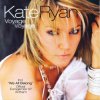
Kate Ryan - Voyage Voyage (Radio)
03:06 7.17Mb [320 kbps] 136 1 0 14.07.2025 layden TOP 100 Pop, Eurodance


DJ Project feat. DEEPSIDE DEEJAYS - Over And Over Again
03:43 8.61Mb [320 kbps] 108 1 0 14.07.2025 layden TOP 100 Pop, Eurodance
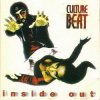
Culture Beat - Walk The Same Line
05:59 13.80Mb [320 kbps] 95 0 0 14.07.2025 layden TOP 100 Pop, Eurodance

Anton Ishutin & Note U - Brash
08:04 18.54Mb [320 kbps] 98 0 0 14.07.2025 layden TOP 100 Pop, Eurodance
Andrey Bo & Amina - Take Me Away (Twenty 4 Seven Cover)
03:11 7.60Mb [320 kbps] 86 1 0 14.07.2025 layden TOP 100 Pop, Eurodance
Culture Beat - Can't Go On Like This (No, No) (Video Mix)
03:19 7.81Mb [320 kbps] 62 0 0 10.07.2025 layden TOP 100 Pop, Eurodance

Timi Kullai & DJ Ramezz - Take It To The Limit (Centory Cover)
03:43 8.84Mb [320 kbps] 122 0 0 10.07.2025 layden TOP 100 Pop, Eurodance

Andrey Bo & Amina - Tell Me That You Want Me (Kim Sanders Cover)
03:17 7.86Mb [320 kbps] 93 0 0 10.07.2025 layden TOP 100 Pop, Eurodance
Popular music genres
All genres →Eurodance: The Music That Defined the Sound of the 1990s
Eurodance is a style of European dance music that achieved widespread popularity during the first half of the 1990s. It is easily recognised by its steady electronic beat, energetic bass lines, memorable synthesizer melodies and the contrast between rap verses and female vocal choruses.
Unlike many club genres of the period, Eurodance was created simultaneously for dance floors, radio airplay and music television. The songs usually had a clear structure, a relatively short running time and a strong chorus that listeners could remember after a single play.
Today, Eurodance is no longer viewed solely as the music of a particular era. Classic hits continue to appear at parties and on radio stations, while modern producers are once again drawing on the genre’s distinctive synthesizers, rhythms and vocal techniques.
The Musical Formula of Eurodance
Most classic Eurodance tracks were produced at tempos ranging from approximately 125 to 150 beats per minute. The rhythmic foundation was usually a four-on-the-floor kick drum, supported by claps, open hi-hats and short electronic percussion patterns.
A typical arrangement included several recognisable elements:
- an energetic 4/4 dance beat;
- a synthesised or sampled bass line;
- a short instrumental hook;
- male rap or spoken vocals in the verses;
- melodic female vocals in the chorus;
- repetitive lyrics built around a simple and easily understood idea;
- an instrumental section or breakdown before the final chorus.
The rap vocals gave the track rhythmic intensity, while the female chorus added melody and made the song suitable for radio. This format was used by many projects, although it was never compulsory. Some artists released fully sung tracks or compositions without any rap sections.
Drum machines, samplers and digital synthesizers were widely used in Eurodance production. The sound was often built around bright piano chords, string pads, sawtooth synthesizers and short vocal samples.
How European Club Music Became Mainstream
Eurodance emerged around the turn of the 1980s and 1990s under the influence of house, hip-hop, techno, Hi-NRG, synthpop and Italo disco. The European club scene played an important role, particularly the music industries of Germany, Italy, Belgium, the Netherlands and Sweden.
One of the earliest international successes associated with the new dance sound was Snap!, with tracks such as The Power and Rhythm Is a Dancer. These songs already contained the main features of what would become Eurodance: a club-oriented beat, rap vocals, a powerful female chorus and an electronic arrangement.
In the early 1990s, dozens of European production projects began using a similar model. Many were not formed as permanent bands, but as studio-based teams. Producers wrote the music, invited rappers and vocalists to record the songs, and then assembled a stage line-up for live performances, interviews and music videos.
This production model made it possible to record singles quickly and adapt the sound for radio, clubs and music television. Eurodance became one of the first European electronic genres to compete on a large scale with American and British pop music in international charts.
The Era of the Biggest Hits
The most successful period for Eurodance lasted approximately from 1992 to 1997. During these years, many songs were released that later became symbols of 1990s dance music.
Some of the best-known projects in the genre include:
- 2 Unlimited — No Limit, Get Ready for This;
- Haddaway — What Is Love, Life;
- Culture Beat — Mr. Vain;
- Corona — The Rhythm of the Night;
- La Bouche — Be My Lover, Sweet Dreams;
- Dr. Alban — It’s My Life, Sing Hallelujah!;
- Captain Hollywood Project — More and More;
- Real McCoy — Another Night;
- Ice MC — Think About the Way;
- Masterboy — Feel the Heat of the Night;
- E-Rotic — Max Don’t Have Sex with Your Ex;
- Twenty 4 Seven — Slave to the Music.
Individual songs by Ace of Base, DJ Bobo, Cappella, Fun Factory, Magic Affair, Maxx, Basic Element and other European artists are also frequently classified as Eurodance. However, some of these performers combined Eurodance with reggae fusion, pop, techno, hip-hop or Italo disco.
Why the Lyrics Were So Simple
Eurodance was designed from the beginning for an international audience. Most songs were recorded in English, even when the members of a project came from Germany, Italy, Sweden or the Netherlands.
The lyrics often focused on love, freedom, dancing, unity, movement and inner strength. Simple phrases made the songs easier to understand for listeners from different countries and allowed the rhythm and chorus to remain at the centre of attention.
Repetition was an essential part of the musical structure. A short vocal hook served the same purpose as a synthesizer riff: it created a recognisable element around which the entire track was built.
Eurodance, Dance Pop and Italo Disco: What Is the Difference?
Eurodance is distinguished by its fast tempo, club-oriented rhythm, prominent synthesizer bass and characteristic combination of sung vocals and rap.
Dance Pop is more closely based on the traditional pop-song format. The vocals and verse-chorus structure are more important, while club elements may play a secondary role.
Italo disco developed earlier, primarily during the 1980s. It is characterised by analogue synthesizers, romantic melodies, electronic drums and a less aggressive rhythmic approach.
Eurodance also overlapped with happy hardcore, euro house, techno, trance and bubblegum dance. As a result, the boundaries between individual releases are often subjective.
Why the Genre’s Popularity Declined
By the end of the 1990s, musical tastes had changed. Trance, progressive house, techno and more minimalist forms of electronic music became increasingly influential in European clubs. Radio stations began playing more dance pop, R&B and newer forms of commercial electronic music.
Some Eurodance projects disbanded, while others changed their line-ups or moved towards a more modern pop sound. Certain artists continued releasing music for European and Asian markets, where interest in the genre remained strong for longer.
Eurodance did not disappear completely. Its melodies, song structures and vocal techniques influenced trance, hands up, commercial dance and festival-oriented EDM in the 2000s and 2010s.
The Return of the 1990s Sound
Interest in Eurodance grew again thanks to nostalgia for 1990s culture, reissues of classic singles and the popularity of themed festivals. Many well-known artists from the genre continue to perform, while their songs receive new remixes.
Modern producers use the characteristic piano chords, fast rhythms, vocal hooks and bright synthesizers of Eurodance, combining them with house, techno, trance and contemporary pop music.
For this reason, new Eurodance releases may sound different from the recordings of the 1990s. Some artists reproduce the classic formula closely, while others use only selected elements, such as the tempo, bass lines, rap verses or emotional choruses.
Eurodance on Minatrix.FM
The genre is ideal for fans of energetic electronic music, retro parties and melodic dance hits. The selection may include both classic tracks and modern productions inspired by the European dance scene of the 1990s.
On Minatrix.FM, you can listen to Eurodance online, rediscover familiar artists and explore new releases. The catalogue is regularly updated with tracks, remixes and music by independent artists.
Continuous playback allows you to listen to Eurodance online without advertisements between songs and to follow the development of the genre — from early European dance music to its modern interpretations.