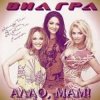
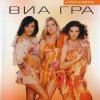


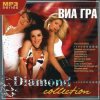
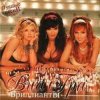





VIA GRA is one of the most successful and widely discussed female pop groups in the post-Soviet space, formed in 2000. The project became a musical and cultural phenomenon of the early 2000s, combining a provocative image, high-quality pop production, and hit songs that defined the sound of an entire era.
The group was produced by Konstantin Meladze and Dmytro Kostyuk, with the original idea for creating the female project belonging specifically to Dmytro Kostyuk.
The Origins of the Project (1999–2000)
In the late 1990s, Dmytro Kostyuk conceived the idea of forming a female group initially consisting of three soloists. In 1999–2000, he invited Alena Vinnitskaya, who at the time worked as a TV presenter on the BIZ-TV channel.
A casting process was held to complete the lineup, resulting in the selection of two additional members. During this period, the first versions of the songs “Attempt No. 5” and “You Should Let Me Go” were recorded, and an initial attempt was made to shoot a music video for “Attempt No. 5”. However, the project was temporarily put on hold.
Some time later, the producers decided to return to the idea but revise the concept. It was decided to create a duo and more carefully select the participants. The group then consisted of:
- Alena Vinnitskaya — lead vocalist
- Nadezhda Granovskaya (Meykher) — striking visual and stage presence
The songs were re-recorded, the video reshot, and the project was named VIA GRA. The name was intentionally provocative and immediately became part of the marketing strategy, although its official meaning was never formally defined.
First Success and Rapid Rise (2000–2002)
The breakthrough came with the release of the song “Attempt No. 5”. Its music video premiered on BIZ-TV and caused an explosive reaction. The song quickly topped the charts, spread widely through compilations and pirated media, and the video earned the group prestigious awards.
Throughout 2000, the group actively expanded its repertoire. By December, several new songs had been recorded, and the debut live performance took place in Dnipropetrovsk, drawing an audience of approximately 4,000 people.
During this period, the following music videos were released:
- “Bomb”
- “I Will Not Return”
The group rapidly gained popularity, participated in television projects, and appeared in the musical film “Evenings on a Farm Near Dikanka”.
In August 2001, VIA GRA signed a contract with Sony Music Entertainment, after which their touring activity expanded across almost the entire CIS region.
The Trio Era and the Formation of a Legend (2002–2004)
In 2002, Nadezhda Granovskaya temporarily left the group due to pregnancy. Tatyana Naynik was urgently brought in as a replacement, while the producers simultaneously decided to expand the group into a trio.
Anna Sedokova joined the lineup, marking a pivotal moment in the group’s history. In May 2002, the music video “Stop! Stop! Stop!” was released, solidifying the success of the new formation.
During this period:
- the group received the Ovatsiya Award
- the album “Attempt No. 5” was reissued
- the video “Good Morning, Papa!” was released, featuring four soloists
After Granovskaya’s return, it was decided to part ways with Tatyana Naynik.
In November 2002, VIA GRA appeared on the cover of Maxim magazine, actively participated in television shows, and starred in the New Year musical “Cinderella”, performing the song “I Didn’t Understand” together with Andriy Danylko.
The “Golden Lineup” (2003–2004)
In early 2003, Alena Vinnitskaya left the group and was replaced by Vera Brezhneva. The lineup:
- Nadezhda Granovskaya
- Anna Sedokova
- Vera Brezhneva
became unofficially known as the “golden lineup” of VIA GRA.
The following music videos were released:
- “Don’t Leave Me, My Love”
- “Kill My Friend”
- “Ocean and Three Rivers” (with Valery Meladze)
The album “Stop! Stop! Stop!” became an international success, selling millions of copies. The group toured Europe, Israel, and Japan, where they performed under the name Nu Virgos due to legal issues surrounding the original name.
Changes and Crises (2004–2007)
In 2004, Anna Sedokova left the group due to pregnancy. She was replaced by Svetlana Loboda, though her stay was short-lived. Soon after, Albina Dzhanabaeva joined the lineup.
During this period, the group released the hits:
- “Biology”
- “The World I Didn’t Know Before You”
- “There Is No More Attraction” (with Valery Meladze)
Despite awards and recognition, the group’s popularity gradually declined. In 2006, the project was temporarily suspended but later revived with a new lineup, including Olga Koryagina and later Meseda Bagaudinova.
A New Era and Constant Rotations (2008–2011)
From 2008 onward, VIA GRA continued as a project with a constantly changing lineup. New members included Tatyana Kotova and later Eva Bushmina. Songs released during this period included:
- “I Am Not Afraid”
- “Anti-Geisha”
- “Crazy”
- “Get Lost!”
- “A Day Without You”
In 2010, the group celebrated its 10th anniversary, accompanied by widespread discussions about its past and future. Despite criticism and scandals, VIA GRA continued touring and remained present in the media.
VIA GRA After 2011: Reboot, Transformation, and the Modern Stage
2011–2012: Decline and the End of the “Classic Era”
By 2011, after years of constant lineup changes, the project faced creative and image burnout. Despite new songs and videos, the group was increasingly perceived as a legacy brand rather than a contemporary pop act.
During this period:
- concerts became less frequent
- media presence declined
- the lineup continued to change
- public interest gradually faded
By the end of 2012, the classic version of VIA GRA effectively ceased active existence, paving the way for a full reboot.
2013: Project Reboot and a New Generation of VIA GRA
In 2013, Konstantin Meladze announced a radical reboot of the project. A televised casting show titled “I Want V VIA Gra” was launched to form an entirely new lineup.
The new lineup consisted of:
- Anastasia Kozhevnikova
- Misha Romanova
- Erika Herceg
This lineup differed fundamentally from previous versions:
- the focus shifted from provocation to vocals and aesthetics
- the image became more refined and European
- the music grew more melodic and lyrical
2013–2016: A Successful Renaissance
The new VIA GRA quickly proved the project’s relevance. The first releases received strong public attention.
Key songs of this period included:
- “Truce”
- “I Have Someone Else Now”
- “It Was Beautiful”
- “So Strong”
- “Oxygen”
The group toured extensively, participated in major music awards, and regained a strong position in the pop landscape. Critics noted that the reboot successfully avoided self-repetition while maintaining brand recognition.
2016–2018: Further Lineup Changes
In 2016, Anastasia Kozhevnikova left the group to pursue a solo career and was replaced by Olga Meganskaya.
In 2018, Misha Romanova and later Erika Herceg left the group, effectively ending the lineup formed through the TV show.
Despite this, the VIA GRA brand continued to exist as a project open to future transformations.
2019–2021: Hiatus and Rare Appearances
From late 2018 onward, the group’s active activity was suspended. New lineups were not officially introduced, releases became rare, and the project was increasingly viewed as a completed chapter in pop music history.
Nevertheless:
- VIA GRA songs continued to receive heavy radio rotation
- music videos accumulated millions of views
- interest in the “golden lineups” remained strong
- the group was frequently mentioned in retrospectives about the 2000s
2022 – Present Day: Legendary Status
By the early 2020s, VIA GRA had firmly secured its status as a legendary project that had a tremendous influence on the development of female pop groups in the post-Soviet space.
As of today:
- the project is not actively touring
- no new official lineups have been announced
- the brand is used as part of musical heritage
- former members are successfully pursuing solo careers
- the group’s songs regularly appear in “Best of the 2000s” compilations
Legacy and Cultural Significance
VIA GRA is not just a pop group but a show business phenomenon that:
- set standards for female pop projects
- shaped the visual style of 2000s pop music
- served as a launchpad for numerous stars
- left behind dozens of hit songs
The group permanently entered history as the most provocative, widely discussed, and commercially successful female pop group of its time.