 Linkin Park
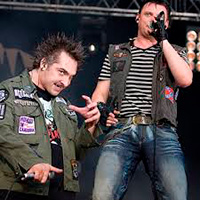
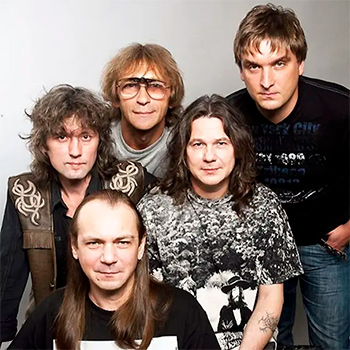
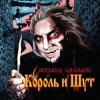
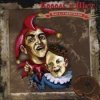
Korol i Shut («Король и Шут») was a Russian punk rock band from Leningrad — Saint Petersburg, active from 1988 to 2013. Its creative concept was shaped primarily by vocalist and composer Mikhail Gorshenyov (Gorshok) and vocalist, lyricist and artist Andrey Knyazev (Knyaz). The band combined punk rock with narrative songwriting, horror, folklore and fantasy, turning short stories about sorcerers, robbers, the dead, jesters and other fictional characters into one of the most recognizable approaches in Russian rock.
The best-known songs by Korol i Shut include «Лесник» (The Forester), «Дурак и молния» (The Fool and the Lightning), «Кукла колдуна» (The Sorcerer’s Doll), «Прыгну со скалы» (I’ll Jump from the Cliff), «Ели мясо мужики» (The Men Were Eating Meat), «Проклятый старый дом» (The Cursed Old House), «Воспоминания о былой любви» (Memories of a Past Love), «Мёртвый анархист» (Dead Anarchist), «Медведь» (The Bear), «Ром» (Rum), «Марионетки» (Marionettes) and «Танец злобного гения» (Dance of the Evil Genius). Over the course of its career, the group went from the Leningrad punk underground and small clubs to major concert venues and became one of the leading names on the Russian rock scene of the late 1990s and 2000s.
«Kontora» and the arrival of Andrey Knyazev
The story of the future Korol i Shut began in Leningrad in 1988. Mikhail Gorshenyov, together with his schoolmates Alexander Balunov, later nicknamed Balu, and drummer Alexander Shchigolev, known as Poruchik, formed a punk band called «Контора» («Kontora»).
Andrey Knyazev was not part of the original line-up. He met Gorshenyov roughly a year later while studying at a restoration school. Knyazev’s arrival significantly changed the direction of the project. Instead of more conventional punk lyrics, the group began using complete narrative stories.
Knyazev wrote short literary sketches featuring characters from an imaginary world: robbers, innkeepers, sorcerers, foresters, dead men, jesters, witches and monsters. They combined black humour, fantasy, folklore, Gothic storytelling and fairy-tale imagery. Gorshenyov was primarily responsible for the musical side and proved an ideal interpreter of these stories thanks to his raw, highly emotional vocal style.
In 1990, the group adopted the name Korol i Shut («Король и Шут», The King and the Jester). Other names discussed beforehand included «Апокалипсис» (Apocalypse), «Армагеддон» (Armageddon), «Зарезанный одуванчик» (Slaughtered Dandelion) and «Король Шутов» (King of Jesters).
Early recordings and the Leningrad underground
In 1991–1992, Korol i Shut made its first semi-professional recordings, including «Охотник» (The Hunter), «Мёртвая женщина» (Dead Woman), «Король и Шут» and «В долине болот» (In the Valley of Swamps). «Охотник» and «В долине болот» received radio airplay.
The band’s first public performance took place in 1992 at Igor Golubev’s rhythm school, located in the building of the Leningrad Rock Club at 13 Rubinstein Street. In the band’s official history, 1992 was later treated as the beginning of its concert chronology.
In 1993, Korol i Shut became increasingly active in the Saint Petersburg club scene. One important venue was Tam-Tam, a club that played a major role in the development of the city’s independent rock and punk scene during the first half of the 1990s.
In 1994, the musicians independently recorded the cassette album «Будь как дома, путник!» (Make Yourself at Home, Traveller!). It was initially distributed in a small run and was not regarded as an official numbered studio album. The songs were later professionally re-recorded, and the material became an important part of the group’s discography.
«Камнем по голове»
In 1995, guitarist Yakov Tsvirkunov joined the band. His arrival had a substantial impact on the arrangements: the guitar sound became denser and more professional, while the interaction between the two vocalists and the rhythm section became more clearly defined.
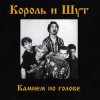
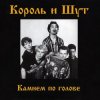
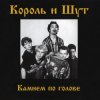
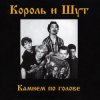
In 1996, the first official studio album, «Камнем по голове» (A Stone to the Head), was recorded at the Melodiya studio. This album took Korol i Shut beyond the Saint Petersburg club scene.
It featured songs that defined the band’s early style, including «Дурак и молния», «Лесник», «Камнем по голове», «Садовник» (The Gardener), «Сапоги мертвеца» (The Dead Man’s Boots), «Два друга и разбойники» (Two Friends and the Robbers) and others. The songs functioned as complete stories with an opening, conflict and unexpected conclusion, yet were compressed into the short, energetic format of punk rock.
The same period also brought the band’s first music videos, and Korol i Shut began appearing at major festivals alongside well-known Russian and international rock acts.
«Будь как дома, путник!» and nationwide recognition
In 1997, the second official album was released under the simple title «Король и Шут». It consisted mainly of newly recorded material from the band’s 1994 cassette album. On later reissues, the record was given the title «Будь как дома, путник!» (Make Yourself at Home, Traveller!).
The real breakthrough came around 1998–1999. At the Melodiya studio, the band recorded «Акустический альбом» (Acoustic Album), on which its familiar punk sound was expanded with violin, acoustic instruments and more melodic arrangements.
This album introduced «Кукла колдуна», «Прыгну со скалы», «Наблюдатель» (The Observer), «Девушка и граф» (The Girl and the Count), «Ведьма и осёл» (The Witch and the Donkey) and other songs. Marina Kapuro and violinists Maria Bessonova and Maria Nefyodova took part in the sessions. Nefyodova later became a permanent member of the group.
«Прыгну со скалы» became particularly popular. The song remained in radio rotation for a long time and was later voted by listeners of Nashe Radio as the best song of the station’s first decade.
Another major hit from this period was «Ели мясо мужики». Its video appeared as early as 1998 and received heavy rotation on music television. The story of an innkeeper serving his guests the flesh of his own wives became one of the most characteristic examples of Korol i Shut’s black humour.
From clubs to major venues
In February 1999, the band headlined Saint Petersburg’s Yubileyny Sports Palace on its own for the first time. That same year, the live album «Ели мясо мужики» was recorded.
By then, Korol i Shut had ceased to be a purely Saint Petersburg phenomenon. Its songs were in regular radio rotation, music channels showed its videos, and the geography of its tours expanded rapidly.
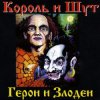
In 2000, the band released «Герои и Злодеи» (Heroes and Villains). Among its most notable tracks were «Дед на свадьбе» (The Old Man at the Wedding), «Кузнец» (The Blacksmith), «Невеста палача» (The Executioner’s Bride), «Мастер приглашает в гости» (The Master Invites You In) and «Воспоминания о былой любви».
Around the same time, Alexander Leontiev (Renegat) joined as second guitarist. With him, the guitar sound became heavier and the live arrangements denser.
«Как в старой сказке» and «Проклятый старый дом»
In 2001, one of the central albums in the band’s discography appeared: «Как в старой сказке» (Like in an Old Fairy Tale). It included «Гимн шута» (Jester’s Anthem), «Проклятый старый дом», «Тайна хозяйки старинных часов» (The Secret of the Mistress of the Antique Clock), «Возвращение колдуна» (Return of the Sorcerer), «Похороны панка» (Funeral of a Punk), the full version of «Воспоминания о былой любви» and other tracks.
«Проклятый старый дом» (The Cursed Old House) became one of the band’s biggest hits. The song spent several months at the top of the Chartova Dyuzhina chart, while its video received extensive television rotation.
By this point, the classic Korol i Shut balance had fully taken shape: punk energy was combined with hard rock riffs, melodic choruses, violin and an almost theatrical division of roles between the two vocalists.
«Жаль, нет ружья!» and the peak of popularity
In 2002, Korol i Shut released «Жаль, нет ружья!» (Too Bad There’s No Gun!). «Мёртвый анархист» and «Медведь» became concert staples, while the group was regularly performing at the country’s largest venues.
On August 11, 2002, Korol i Shut appeared as one of the headliners of the Nashestvie festival. The concert featured specially prepared stage design, scenery and theatrical elements.
In the early 2000s, the group toured not only Russia, Ukraine and Belarus, but also the Baltic states, Kazakhstan, Moldova, Israel, Finland and the United States.
On December 18, 2003, Korol i Shut played a major three-hour concert at Moscow’s Olimpiysky Sports Complex, which was later released on video.
«Бунт на корабле»
In 2004, Maria Nefyodova left the group after moving to the United States. That same year, the band released «Бунт на корабле» (Mutiny on the Ship), one of the heaviest records in the Korol i Shut catalogue.
Instead of the violin that had characterized the previous albums, the focus shifted toward hard-edged guitar parts and hardcore influences. Songs from this period include «Хардкор по-русски» (Russian-Style Hardcore), «Месть Гарри» (Harry’s Revenge), «Исповедь вампира» (Confession of a Vampire), «Северный флот» (Northern Fleet) and «Звонок» (The Call).
At the same time, both frontmen became increasingly active outside the band. Mikhail Gorshenyov recorded the solo project «Я — алкоголик, я — анархист» (I Am an Alcoholic, I Am an Anarchist), consisting of songs by Brigadny Podryad, while Andrey Knyazev released the acoustic album «Любовь негодяя» (A Scoundrel’s Love).
Balu leaves and the line-up changes
One of the biggest line-up changes in the band’s history took place in 2006. Founding bassist Alexander Balunov left the group. After several temporary replacements, Sergey Zakharov (Zakhar) became the permanent bassist.
Dmitry Rishko (Casper) took over the violin role. In December, the album «Продавец кошмаров» (Seller of Nightmares) was released, featuring «Марионетки», «Ром», «Джокер» (Joker), «Пляски на могиле» (Dancing on the Grave) and other songs.
By the end of the decade, Korol i Shut concerts were becoming increasingly close to theatrical productions. In addition to lighting and video, the musicians used scenery and visual concepts that emphasized the narrative character of the songs.
«Тень клоуна» and «Театр Демона»
In 2008, the band released «Тень клоуна» (Shadow of the Clown). The central concept revolved around the inner duality of the human personality, while one of its best-known songs, «Дагон» (Dagon), was inspired by the works of H. P. Lovecraft.
In 2010 came «Театр Демона» (The Demon’s Theatre). The musicians described its style as “art-punk.” The album differed noticeably from the band’s usual electric work: acoustic guitar, cello, mandolin, harmonica, trumpet and percussion all played important roles.
The record included «Танец злобного гения», «Фокусник» (The Magician), «Защитники» (Defenders), «Театральный демон» (The Theatre Demon) and other songs. The Demon’s Theatre became the last full-length album recorded while Gorshenyov and Knyazev were still members of the same band.
Andrey Knyazev leaves
In spring 2011, Andrey Knyazev suspended his work with Korol i Shut to focus on his own project, KnyaZz («КняZz»). In December of the same year, he announced his final departure.
The common idea that Gorshenyov simply became the sole author of the familiar Korol i Shut repertoire after this point is not entirely accurate. The final stage became a separate creative chapter: Mikhail concentrated on a large-scale theatrical production that differed considerably from the band’s previous model.
TODD
The main project of the final years of Mikhail Gorshenyov’s life was the song opera TODD, based on the legend of the London barber Sweeney Todd.
Work on the production began in 2011. Gorshenyov wrote the music, took part in developing the project and performed the leading role. Two albums were released as the studio version of the material: «TODD. Акт 1. Праздник крови» (TODD. Act 1. Feast of Blood) in 2011 and «TODD. Акт 2. На краю» (TODD. Act 2. On the Edge) in 2012.
Both records formed a continuous musical narrative rather than collections of separate fairy-tale stories. Guest performers took part in the recordings, and Veniamin Smekhov voiced the narrator in the first act.
The stage premiere of the song opera took place on November 6 and 7, 2012, at Moscow’s Film Actor Theatre. TODD was therefore not a posthumous musical about Korol i Shut, but Gorshenyov’s final major original theatrical and musical project.
Death of Mikhail Gorshenyov
On July 19, 2013, Mikhail Gorshenyov died at his home in Saint Petersburg at the age of 39. A planned Korol i Shut concert at Moscow’s Green Theatre was due to take place the following day.
A forensic examination determined the cause of death as toxic cardiomyopathy leading to acute heart failure in the context of alcohol and morphine use.
Gorshenyov’s death effectively brought the history of Korol i Shut as an active band to an end. The musicians decided not to continue under the old name with a new frontman.
«Severny Flot» and projects by former members
After Korol i Shut ended, part of its final line-up continued working together under the name «Северный Флот» (Severny Flot / Northern Fleet), taken from one of the band’s songs. The new group included Alexander Leontiev, Yakov Tsvirkunov, Alexander Shchigolev, Pavel Sazhinov and Alexander Kulikov.
Andrey Knyazev continued his work with KnyaZz. A significant number of Korol i Shut songs remain in his live repertoire, particularly those written by him or associated with his years in the group.
Other former members have also returned to the band’s legacy in concert and memorial projects.
Why Korol i Shut sounded different
The band is often described as punk rock, but a single genre label is not enough to cover its catalogue. Over the years, its music incorporated elements of hard rock, hardcore, folk rock, acoustic music and theatrical rock.
The main distinguishing feature was the structure of the songs. Most of Korol i Shut’s best-known works are not confessional lyrics or conventional social rock songs, but short fictional stories.
Knyazev could introduce a character, establish a conflict and bring the story to a dark or comic conclusion within just a few verses. The music emphasized the progression of the plot: tempo, vocal delivery and the division of parts changed along with the actions of the characters.
Gorshenyov had an expressive, theatrical singing style and could shift within a single song from narrator to participant in the story. Knyazev often became a second character or a contrasting voice. This interaction between the two vocalists was one of the defining features of the band’s classic period.
Folklore, horror and a world of its own
Despite the common label “fairy-tale punk,” the lyrics of Korol i Shut cannot be reduced to Russian folklore alone. Witches, forest spirits, sorcerers and village legends certainly appear, but just as much material draws on European Gothic literature, pirate stories, medieval imagery, horror and original fantasy.
Some songs referred to specific literary sources. In the later period, Gorshenyov’s fascination with theatre and dark European literature became increasingly visible, culminating in the story of Sweeney Todd.
As a result, the group created its own system of recurring images without tying them to a single narrative universe. Listeners quickly understood the rules of this world: an innkeeper might turn out to be a murderer, the owner of an old house a monster, a doll could acquire a will of its own, and a jester might prove wiser than a king.
Line-ups and musicians over the years
A large number of musicians passed through Korol i Shut, so speaking of a single unchanging “classic line-up” is not entirely accurate. The most important figures in the band’s history included:
- Mikhail Gorshenyov (Gorshok) — vocals, music, co-founder;
- Andrey Knyazev (Knyaz) — vocals, lyrics, music, album artwork;
- Alexander Balunov (Balu) — bass guitar, co-founder;
- Alexander Shchigolev (Poruchik) — drums, co-founder;
- Yakov Tsvirkunov (Yasha) — guitar;
- Maria Nefyodova — violin;
- Alexander Leontiev (Renegat) — guitar;
- Sergey Zakharov (Zakhar) — bass guitar;
- Dmitry Rishko (Casper) — violin;
- Pavel Sazhinov — sound engineering, later keyboards.
The changing line-up reflected changes in the band’s music. Violin became an important part of the melodic period of the late 1990s and early 2000s, two guitars strengthened the rock sound of the following stage, and keyboards and additional instruments gained more space in the later work.
Korol i Shut discography
The main studio discography of Korol i Shut spans the period from 1996 to 2012. Over that time, the group moved from the straightforward punk rock of its first records toward more complex arrangements, acoustic experimentation, heavier guitar music and, finally, the theatrical TODD diptych. Alongside the numbered albums, the catalogue also includes early recordings, live releases, official compilations and later archival editions.
Studio albums
-
«Камнем по голове» (A Stone to the Head) (1996) — the first official numbered studio album by Korol i Shut and one of the key works of its early period. It established the band’s basic formula: short narrative songs, punk rock rhythms, two vocalists and stories driven by black humour or fantastical twists.
The album includes «Дурак и молния», «Лесник», «Камнем по голове», «Садовник», «Сапоги мертвеца», «Два друга и разбойники», «Охотник» and other early compositions.
-
«Король и Шут» / «Будь как дома, путник!» (1996–1997) — a professionally recorded version of a substantial part of the band’s early repertoire. The album was initially issued under the title «Король и Шут», while later reissues established the title «Будь как дома, путник!» (Make Yourself at Home, Traveller!), derived from the 1994 cassette recording.
Among its best-known songs are «Будь как дома, путник!», «Истинный убийца» (The True Killer), «Лесные разбойники» (Forest Robbers), «Проказник скоморох» (The Mischievous Minstrel), «Паника в селе» (Panic in the Village), «Внезапная голова» (The Sudden Head), «Рыбак» (The Fisherman) and «Валет и дама» (The Jack and the Lady).
-
«Акустический альбом» (Acoustic Album) (1999) — one of the band’s most unusual and popular records. The punk rock foundation gave way to acoustic guitar, violin and more melodic arrangements.
This album introduced «Кукла колдуна», «Прыгну со скалы», «Наблюдатель», «Девушка и граф», «Ведьма и осёл», «Блуждают тени» (Shadows Wander) and other songs. The record played an important role in taking the group beyond a purely punk audience.
-
«Герои и Злодеи» (Heroes and Villains) (2000) — a return to a more electric sound after the acoustic experiment. Violin remained important, but guitars once again became central.
The album included «Дед на свадьбе», «Кузнец», «Разговор с гоблином» (Conversation with a Goblin), «Вор, граф и графиня» (The Thief, the Count and the Countess), «Невеста палача», «Мастер приглашает в гости» and an early version of «Воспоминания о былой любви».
-
«Как в старой сказке» (Like in an Old Fairy Tale) (2001) — one of the best-known Korol i Shut albums. The sound became denser, and the songs received broader melodic arrangements.
The record includes «Проклятый старый дом», «Гимн шута», «Возвращение колдуна», «Тайна хозяйки старинных часов», «Похороны панка», «Кто это всё придумал?» (Who Came Up with All This?) and the full version of «Воспоминания о былой любви».
-
«Жаль, нет ружья!» (Too Bad There’s No Gun!) (2002) — an album from the period of the band’s peak mainstream popularity. Traditional fairy-tale narratives coexist with heavier and more direct songs.
Among the best-known tracks are «Мёртвый анархист», «Медведь», «Жаль, нет ружья!», «Волосокрад» (Hair Thief), «Защитник свиней» (Defender of Pigs), «Два вора и монета» (Two Thieves and a Coin), «От женщин кругом голова» (Women Make My Head Spin) and «Некромант» (Necromancer).
-
«Бунт на корабле» (Mutiny on the Ship) (2004) — one of the heaviest records in the band’s discography. After violin disappeared from the permanent line-up, the musicians emphasized guitar weight, punk hardcore and aggressive rhythms.
The album includes «Хардкор по-русски», «Месть Гарри», «Исповедь вампира», «Северный флот», «Звонок», «Хозяин леса» (Master of the Forest), «Инквизитор» (Inquisitor) and other songs.
-
«Продавец кошмаров» (Seller of Nightmares) (2006) — an album from the new period after Alexander Balunov’s departure. Bassist Sergey Zakharov and violinist Dmitry Rishko joined the line-up, making violin a prominent part of the arrangements again.
The record includes «Марионетки», «Ром», «Джокер», «Пляски на могиле», «Фред» (Fred), «Продавец кошмаров», «Город мертвецов» (City of the Dead) and other songs.
-
«Тень клоуна» (Shadow of the Clown) (2008) — a conceptually darker work built around images of duality, madness and inner conflict.
The album includes «Дагон», «Двое против всех» (Two Against Everyone), «Ричард Гордон» (Richard Gordon), «Клеймённый огнём» (Branded by Fire), «А.M.T.V.», «Тень клоуна», «Тринадцатая рана» (The Thirteenth Wound) and other compositions.
-
«Театр Демона» (The Demon’s Theatre) (2010) — an experimental album the musicians themselves associated with the term “art-punk.” Instead of the usual wall of electric guitars, the band made extensive use of acoustic instruments, cello, mandolin, trumpet, harmonica and percussion.
Its best-known songs include «Танец злобного гения», «Фокусник», «Защитники», «Театральный демон», «Киногерой» (Movie Hero), «Мадам Жоржетт» (Madame Georgette) and «Послание» (The Message).
-
«TODD. Акт 1. Праздник крови» (TODD. Act 1. Feast of Blood) (2011) — the first part of the conceptual rock opera about Sweeney Todd. Unlike the band’s traditional albums, every composition is connected by a single storyline.
Key numbers include «Добрые люди» (Good People), «Праздник крови», «Машина смерти» (Death Machine), «Смертный приговор» (Death Sentence), «Признание Ловетт» (Lovett’s Confession) and «Первая кровь» (First Blood). Guest performers took part in the project, with Veniamin Smekhov serving as narrator.
-
«TODD. Акт 2. На краю» (TODD. Act 2. On the Edge) (2012) — the second and final part of the Sweeney Todd story and the last Korol i Shut studio work released during Mikhail Gorshenyov’s lifetime.
It includes «На краю» (On the Edge), «Письмо Ловетт» (Lovett’s Letter), «Смерть на балу» (Death at the Ball), «Почему ты жива?» (Why Are You Alive?), «Небесный суд» (Heavenly Judgement), «Баллада о бедном цирюльнике» (Ballad of the Poor Barber) and other numbers. The two acts were later repeatedly issued together as the double album TODD.
Early and archival recordings
- «Ересь» (Heresy) (1989) — one of the early recordings from the period of Kontora, the band that preceded Korol i Shut. It is not part of the official numbered discography.
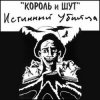
- «Истинный убийца» (The True Killer) (1993) — an early studio recording of material from the developing Korol i Shut. It circulated unofficially for many years and received a full official release much later.
- «Будь как дома, путник!» (Make Yourself at Home, Traveller!) (1994) — an independent cassette recording by the early line-up. It should not be confused with the later professional studio version of the material, released as «Король и Шут» and subsequently renamed «Будь как дома, путник!».
Live albums
-
«Ели мясо мужики» (The Men Were Eating Meat) (1999) — the band’s first official live album. Most of the material was recorded on June 16, 1999, at the Spartak club in Saint Petersburg.
The release contains live versions of «Ели мясо мужики», «Охотник», «Лесник», «Дурак и молния», «Прыгну со скалы», «Кукла колдуна» and other songs. Later reissues featured expanded track lists.
-
«Живая коллекция» (Live Collection) (2001) — a live recording originally made in 1998 for the television project «Живая коллекция». It captures the band immediately before the release of Acoustic Album.
-
«Мёртвый анархист» (Dead Anarchist) (2003) — a live album recorded during a 2002 performance. The concert belongs to the Too Bad There’s No Gun! period and documents the group with two guitarists and Maria Nefyodova on violin.
-
«На краю. Live» (On the Edge. Live) (2014) — a posthumously released live album. The recording was made on February 2, 2013, several months before Mikhail Gorshenyov’s death, and belongs to the band’s final concert period.
-
«Концерт в Олимпийском» (Concert at Olimpiysky) (2018) — the complete audio version of the major Moscow concert held on December 18, 2003. The performance had already been issued on video in the 2000s, while the expanded audio edition appeared later.
-
Live 2000 (2024) — an archival concert release featuring a recording of the band from the early 2000s, officially published more than a decade after the group ceased activity.
Official compilations
-
«Собрание» (Collection) (2000) — a compilation of early and, by that point, best-known Korol i Shut material.
-
«Страшные сказки» (Scary Tales) (2007) — a compilation of songs from different years united by the fairy-tale and mystical themes characteristic of the group. Although some digital catalogues list it among the albums, it is not a full new studio album.
-
«Король и Шут. Часть 1» (Korol i Shut. Part 1) (2023) — a compilation connected with the television series of the same name. It includes original band recordings and material used in the project. The soundtrack line was later expanded through separate releases and new versions of songs.
Live and documentary video releases
- «Праздник Скоморох» (Festival of the Minstrel) (1997) — one of the band’s first official concert videos.
- «Ели мясо мужики» (1999) — the video version of the concert programme associated with the album of the same name.
- «Мёртвый анархист» (2003) — a concert video from the Too Bad There’s No Gun! period.
- «Страшные истории. Том 1» (Scary Stories. Volume 1) (2003) — a video compilation containing band footage, music videos and other archival material.
- «Концерт в Олимпийском» (Concert at Olimpiysky) (2003) — a recording of the large concert at Moscow’s Olimpiysky Sports Complex on December 18, 2003. It was initially released on VHS and DVD and later appeared in an expanded audio edition.
Related solo releases
Some records are often mistakenly included directly in the Korol i Shut discography, although formally they are independent projects by band members.
- Mikhail Gorshenyov — «Я алкоголик анархист» (I Am an Alcoholic Anarchist) (2004) — Gorshenyov’s solo project consisting of his versions of songs by Brigadny Podryad. It is not an official Korol i Shut studio album.
- Andrey Knyazev — «Любовь негодяя» (A Scoundrel’s Love) (2005) — Knyazev’s solo acoustic album, recorded while he was still a member of the band.
Main studio discography by year
- 1996 — «Камнем по голове»
- 1996–1997 — «Король и Шут» / «Будь как дома, путник!»
- 1999 — «Акустический альбом»
- 2000 — «Герои и Злодеи»
- 2001 — «Как в старой сказке»
- 2002 — «Жаль, нет ружья!»
- 2004 — «Бунт на корабле»
- 2006 — «Продавец кошмаров»
- 2008 — «Тень клоуна»
- 2010 — «Театр Демона»
- 2011 — «TODD. Акт 1. Праздник крови»
- 2012 — «TODD. Акт 2. На краю»
Legacy and renewed interest in the band
After 2013, the Korol i Shut catalogue continued to develop a life of its own. The group’s songs are regularly reissued, remain in the concert programmes of former members and continue to attract a large audience on digital platforms.
In 2023, the fictionalized television series «Король и Шут» was released, combining the band’s biographical story with a fantasy journey through the world of its songs. Andrey Knyazev participated in the project as one of its producers. The same year also brought the documentary project «Михаил Горшенёв. Легенда о Короле и Шуте» (Mikhail Gorshenyov: The Legend of Korol i Shut).
These screen projects sparked a new wave of interest in the band among listeners who had not experienced its most active period. The longevity of the catalogue, however, cannot be explained by nostalgia alone. Korol i Shut left behind an unusual body of work within Russian-language rock, with many songs functioning as self-contained short stories that do not require knowledge of the historical context of the 1990s or 2000s.
The combination of punk rock, theatre and literary horror fairy tales remained the group’s defining characteristic. It was this model that gave Korol i Shut a distinctive place in the history of Russian-language rock music — somewhere between the punk scene, mainstream rock and musical theatre.