 Victor PROG

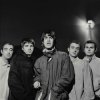
Oasis is a British rock band formed in 1991 in Manchester that became one of the central figures of 1990s Britpop. The group's history was built around the creative partnership of brothers Liam Gallagher — the vocalist known for his distinctive delivery — and Noel Gallagher, lead guitarist and principal songwriter during the classic period.
Oasis combined the melodic tradition of 1960s British rock, the guitar sound of the 1970s, elements of alternative rock and a large-scale stadium aesthetic. Wonderwall, Don't Look Back in Anger, Live Forever, Champagne Supernova, Supersonic, Some Might Say, Stand by Me, Stop Crying Your Heart Out and The Importance of Being Idle became some of the best-known songs in British rock music of recent decades.
The band broke up in 2009 after years of conflict between the Gallagher brothers, but in 2024 Liam and Noel announced a reunion. In 2025, Oasis returned to the stage for the first time in 16 years and embarked on the worldwide stadium tour Oasis Live ’25. In 2026, the band was selected for induction into the Rock & Roll Hall of Fame.
Formation of Oasis
The group's story began with the Manchester band The Rain, whose members included guitarist Paul «Bonehead» Arthurs, bassist Paul «Guigsy» McGuigan and drummer Tony McCarroll. The original vocalist was Chris Hutton.
In 1991, Liam Gallagher replaced Hutton as vocalist. After Liam joined, the name The Rain was changed to Oasis. The name was connected to an Inspiral Carpets tour poster that listed the Oasis Leisure Centre in Swindon among the venues.
Oasis played their first concert in August 1991 at The Boardwalk in Manchester.
At one of the group's early shows was Liam's older brother, Noel Gallagher, who at the time worked as a roadie for Inspiral Carpets. Noel had already been writing his own songs for several years and soon joined the group as lead guitarist and principal songwriter.
His arrival defined the future musical direction of Oasis. Noel brought early versions of songs around which the group's characteristic sound gradually formed: loud guitars, simple chord progressions, large melodic choruses and Liam's vocals.
Contract with Creation Records
A key event in the group's early history was a concert at King Tut's Wah Wah Hut in Glasgow in May 1993.
The performance was seen by Alan McGee, head of independent label Creation Records. Oasis soon signed with the company and began preparing their debut album.
The debut single Supersonic appeared in April 1994. It was followed by Shakermaker and Live Forever. The latter became the first Oasis single to enter the UK Top 10.
Definitely Maybe
Definitely Maybe was released on August 29, 1994.
At the time of its release, it became the fastest-selling debut album in UK chart history and entered the UK Albums Chart at No. 1.
The album included:
- Rock 'n' Roll Star;
- Shakermaker;
- Live Forever;
- Up in the Sky;
- Columbia;
- Supersonic;
- Bring It on Down;
- Cigarettes & Alcohol;
- Slide Away and other songs.
The album established the core aesthetic of early Oasis. The music was deliberately direct and loud, yet built around melodies that could easily turn into huge singalong choruses in concert.
In Noel Gallagher's lyrics, themes of everyday life existed alongside romantic escapism and a desire to move beyond ordinary reality. This combination was especially evident in Live Forever and Slide Away.
Britpop and the rivalry with Blur
By the mid-1990s, Oasis had become one of the two groups around which the British press constructed a symbolic rivalry within Britpop.
Their main competitor was considered to be Blur. In August 1995, both bands released new singles on the same day: Oasis with Roll with It and Blur with Country House.
The so-called «Battle of Britpop» became a major event in British popular culture. Blur won the weekly chart battle: Country House reached No. 1, while Roll with It placed second.
However, what followed showed that the rivalry could not be reduced to the result of a single chart week: Oasis' second album soon transformed the band into an international stadium act.
(What's the Story) Morning Glory?
The second studio album, (What's the Story) Morning Glory?, was released on October 2, 1995.
By then, Alan White had replaced Tony McCarroll on drums.
The album included:
- Hello;
- Roll with It;
- Wonderwall;
- Don't Look Back in Anger;
- Some Might Say;
- Cast No Shadow;
- She's Electric;
- Morning Glory;
- Champagne Supernova.
Some Might Say had already become Oasis' first UK Singles Chart No. 1 in spring 1995.
Wonderwall reached No. 2 in the United Kingdom but over time became the band's most internationally recognizable song. The lead vocal is performed by Liam Gallagher.
Don't Look Back in Anger, by contrast, was sung by Noel. In February 1996, it became Oasis' second UK No. 1 single.
(What's the Story) Morning Glory? reached No. 1 on the UK Albums Chart and eventually became one of the best-selling albums in British history.
Knebworth 1996
The high point of Oasis' first major era came with two concerts at Knebworth Park on August 10 and 11, 1996.
Across the two nights, Oasis performed to approximately 250,000 people. The concerts became one of the most famous symbols of the scale of British guitar culture in the mid-1990s.
The set included Columbia, Acquiesce, Supersonic, Some Might Say, Roll with It, Wonderwall, Don't Look Back in Anger, Live Forever, Champagne Supernova and other songs.
In 2021, these performances became the basis of the documentary Oasis Knebworth 1996 and the live album of the same name.
Be Here Now
The third studio album, Be Here Now, was released on August 21, 1997 at the peak of the enormous expectations surrounding Oasis.
In its opening days, the album set a record on the British music market. Around 696,000 copies were sold during its first chart week, making Be Here Now the fastest-selling album in UK Albums Chart history at the time.
The main singles were:
- D'You Know What I Mean?;
- Stand by Me;
- All Around the World.
D'You Know What I Mean? and All Around the World both topped the UK chart.
The album continued the melodic language of the first two records but made it considerably denser: layered guitars, extended song lengths and massive production pushed the characteristic Oasis sound to its limit.
Its initial commercial success was enormous, although Be Here Now later came to be viewed more controversially. Noel Gallagher himself also became critical of the record's excesses.
Departure of Bonehead and Guigsy
During work on the next album, the original lineup underwent its most significant changes.
In 1999, guitarist Paul «Bonehead» Arthurs and bassist Paul «Guigsy» McGuigan left the band.
They were replaced by Gem Archer, formerly of Heavy Stereo, and Andy Bell, known for his work with Ride and Hurricane #1.
As a result, by the beginning of the 2000s, the Gallagher brothers were the only members of the Definitely Maybe lineup still permanently in Oasis.
Standing on the Shoulder of Giants
The fourth studio album, Standing on the Shoulder of Giants, was released on February 28, 2000.
It was the first Oasis studio album released through the band's own label, Big Brother Recordings.
The music became more experimental, incorporating psychedelia, electronic elements, samples and a darker overall sound.
The main songs from this period included Go Let It Out, Who Feels Love?, Gas Panic! and Sunday Morning Call.
Go Let It Out debuted at No. 1 on the UK Singles Chart.
The album also featured Little James, the first song written by Liam Gallagher to appear on an Oasis studio album. Previously, Noel had written the majority of the band's repertoire.
Heathen Chemistry
Oasis' fifth studio album, Heathen Chemistry, was released on July 1, 2002.
The songwriting structure of the band changed noticeably on this record: songs were now written not only by Noel and Liam, but also by Gem Archer and Andy Bell.
The main singles were:
- The Hindu Times;
- Stop Crying Your Heart Out;
- Little by Little;
- Songbird.
The Hindu Times topped the UK Singles Chart. Stop Crying Your Heart Out became one of the best-known ballads from the later period of Oasis.
Songbird, written by Liam, demonstrated his growing role as a songwriter.
Heathen Chemistry was the band's final studio album with drummer Alan White.
Don't Believe the Truth
After Alan White's departure, Zak Starkey, son of The Beatles drummer Ringo Starr, took over on drums. He was not formally considered a permanent member of Oasis, but played an important role in the band's recordings and tours during the mid-2000s.
On May 30, 2005, Oasis released their sixth studio album, Don't Believe the Truth.
The album became one of the most successful releases of the band's later period and once again reached No. 1 on the UK Albums Chart.
Its principal songs included:
- Lyla;
- The Importance of Being Idle;
- Let There Be Love;
- Turn Up the Sun;
- Mucky Fingers.
Lyla and The Importance of Being Idle both became UK No. 1 singles. The latter remains the most recent Oasis single to top the UK Singles Chart.
Compared with the early albums, the songwriting contributions of the other band members became much more significant. Material was written by Noel and Liam Gallagher, Gem Archer and Andy Bell.
Dig Out Your Soul
The seventh studio album, Dig Out Your Soul, was released on October 6, 2008.
Dave Sardy again served as producer. Musically, the band emphasized psychedelic influences and heavier rhythmic elements.
The album produced the singles:
- The Shock of the Lightning;
- I'm Outta Time;
- Falling Down.
I'm Outta Time was written by Liam Gallagher, while The Shock of the Lightning and Falling Down were written by Noel.
Dig Out Your Soul remains the most recent Oasis studio album.
Oasis split in 2009
By the end of the 2000s, the relationship between Liam and Noel Gallagher had once again deteriorated seriously.
On August 28, 2009, Oasis were scheduled to perform at the Rock en Seine festival near Paris. Shortly before they were due to go on stage, another conflict broke out between the brothers and the concert was cancelled.
That same evening, Noel Gallagher announced that he was leaving the band, stating that he could no longer continue working with Liam.
The remaining European concerts were cancelled, and the first period of Oasis history came to an end after 18 years.
Beady Eye and Noel Gallagher's High Flying Birds
After the split, Liam continued working with Gem Archer, Andy Bell and Chris Sharrock. The new group was named Beady Eye.
The band released two albums — Different Gear, Still Speeding (2011) and BE (2013) — before ending its activity. Liam Gallagher later began a successful solo career.
Noel formed Noel Gallagher's High Flying Birds, which debuted with a self-titled album in 2011. The project became his main musical outlet between the breakup of Oasis and the reunion.
The band's legacy during the breakup years
Even without an active lineup, the Oasis catalog continued to be widely reissued.
In 2010, the singles compilation Time Flies… 1994–2009 was released. Anniversary editions of the early albums, archive recordings and live projects followed.
In 2021, the documentary and live album Oasis Knebworth 1996 were released.
In 2024, an expanded 30th anniversary edition of Definitely Maybe was issued. Amid growing anticipation of a possible reunion, the album returned to No. 1 on the UK chart three decades after its original success.
Oasis reunion
On August 27, 2024, almost exactly 15 years after the breakup, Oasis officially announced their reunion.
The central news was the return of Liam and Noel Gallagher to performing together. At the same time, the stadium tour Oasis Live ’25 was announced.
Shows in the United Kingdom and Ireland were announced first, but enormous demand quickly led to the tour being expanded internationally.
Oasis Live ’25
The first concert by the reunited Oasis took place on July 4, 2025 at Principality Stadium in Cardiff. It was the first joint performance by Liam and Noel Gallagher since 2009.
The touring lineup of Oasis consisted of:
- Liam Gallagher — vocals;
- Noel Gallagher — guitar, vocals;
- Paul «Bonehead» Arthurs — guitar, piano;
- Gem Archer — guitar;
- Andy Bell — bass guitar;
- Joey Waronker — drums.
The live band therefore brought together musicians from several different historical periods of Oasis.
The tour visited the United Kingdom, Ireland, Canada, the United States, Mexico, South Korea, Japan, Australia, Argentina, Chile and Brazil.
Oasis played five shows at Heaton Park in Manchester and seven concerts at Wembley Stadium. The North American leg included MetLife Stadium and the Rose Bowl, while the final stage of the tour took place in South America.
The final Live ’25 concert took place on November 23, 2025 at Estádio MorumBIS in São Paulo.
What Oasis played after the reunion
The Live ’25 concert program was built primarily around material from the 1990s and the major songs from the band's later period.
The set list included:
- Hello
- Acquiesce
- Morning Glory
- Some Might Say
- Bring It on Down
- Cigarettes & Alcohol
- Fade Away
- Supersonic
- Roll with It
- Talk Tonight
- Half the World Away
- Little by Little
- D'You Know What I Mean?
- Stand by Me
- Cast No Shadow
- Slide Away
- Whatever
- Live Forever
- Rock 'n' Roll Star
- The Masterplan
- Don't Look Back in Anger
- Wonderwall
- Champagne Supernova.
No new Oasis studio songs were presented during the tour: the reunion was focused primarily on the band's existing live catalog.
Oasis in 2026
After the world tour ended, Oasis activity continued around the Live ’25 recordings and the band's historical catalog.
In March 2026, a live version of Acquiesce — Live From Wembley, 28 September 2025 was released for the War Child charity project.
At the same time, the band continued its anniversary campaign around (What's the Story) Morning Glory?, preparing an expanded 30th anniversary edition featuring previously unreleased unplugged versions of Cast No Shadow, Morning Glory, Wonderwall, Acquiesce and Champagne Supernova.
Oasis have not announced a new studio album, so Dig Out Your Soul from 2008 remains the band's most recent studio record.
Oasis in the Rock & Roll Hall of Fame
On April 13, 2026, the Rock & Roll Hall of Fame announced Oasis among the artists selected for induction into the Class of 2026 in the Performer category.
The members of Oasis recognized by the Rock Hall include:
- Liam Gallagher;
- Noel Gallagher;
- Paul Arthurs;
- Paul McGuigan;
- Tony McCarroll;
- Alan White;
- Gem Archer;
- Andy Bell.
The Class of 2026 induction ceremony is scheduled for November 14, 2026 in Los Angeles.
Documentary film Don't Look Back in Anger
The Oasis reunion became the subject of a new feature-length documentary titled Oasis: Don't Look Back in Anger.
The project focuses on the band's reunion and the Live ’25 world tour. Screenwriter and producer Steven Knight is involved in the film, while Dylan Southern and Will Lovelace serve as directors.
In July 2026, it was announced that the film would have its world premiere at the 83rd Venice International Film Festival.
The film is scheduled for a wide theatrical and IMAX release in September 2026, followed by a planned release on Disney+.
Oasis lineup
Classic mid-1990s lineup
- Liam Gallagher — vocals;
- Noel Gallagher — guitar, vocals, principal songwriter;
- Paul «Bonehead» Arthurs — rhythm guitar;
- Paul «Guigsy» McGuigan — bass guitar;
- Tony McCarroll — drums, until 1995;
- Alan White — drums from 1995.
2000s lineup
- Liam Gallagher — vocals;
- Noel Gallagher — guitar, vocals;
- Gem Archer — guitar;
- Andy Bell — bass guitar;
- Alan White — drums until 2004.
Later drummers also included Zak Starkey and Chris Sharrock.
Live ’25 lineup
- Liam Gallagher — vocals;
- Noel Gallagher — guitar, vocals;
- Paul «Bonehead» Arthurs — guitar, piano;
- Gem Archer — guitar;
- Andy Bell — bass guitar;
- Joey Waronker — drums.
Oasis musical style
Oasis are generally classified as Britpop, alternative rock and British guitar rock.
The Beatles were one of the band's most important musical reference points, although Oasis' sound also shows influences from British glam rock, punk, The Jam, The Stone Roses, T. Rex and classic rock of the 1960s and 1970s.
Noel Gallagher built most of the early songs around relatively simple harmonic progressions and large melodies. Layered guitars and dense production gave the material a sense of scale, especially noticeable on Definitely Maybe, Morning Glory and Be Here Now.
Liam Gallagher's voice became another defining part of the band's sound — sharp, nasal and instantly recognizable. His pronunciation and characteristic motionless stance at the microphone created one of the most recognizable stage images in 1990s British rock.
Noel also sang part of the repertoire himself. His voice can be heard on Don't Look Back in Anger, The Masterplan, Half the World Away, Talk Tonight, The Importance of Being Idle and other songs.
The Gallagher brothers
The relationship between Liam and Noel was always inseparable from the history of Oasis. They repeatedly clashed in public, stopped speaking to each other, walked out of concerts and exchanged accusations in interviews.
Musically, however, the brothers' roles complemented each other well. Noel was the principal songwriter and architect of the early Oasis sound, while Liam's vocal style and stage personality defined the public image of the band.
After the 2009 breakup, their conflict continued for many years and effectively ruled out working together. The 2024–2025 reunion marked the first time in a decade and a half that the brothers publicly performed again as members of the same band.
Oasis discography
- Definitely Maybe — 1994;
- (What's the Story) Morning Glory? — 1995;
- Be Here Now — 1997;
- Standing on the Shoulder of Giants — 2000;
- Heathen Chemistry — 2002;
- Don't Believe the Truth — 2005;
- Dig Out Your Soul — 2008.
Important compilations and live releases
- The Masterplan — 1998;
- Familiar to Millions — 2000;
- Stop the Clocks — 2006;
- Time Flies… 1994–2009 — 2010;
- Oasis Knebworth 1996 — 2021.
Records and achievements
Oasis rank among the most successful British bands in terms of national chart performance.
Over the course of their career, the group achieved eight No. 1 singles on the UK Singles Chart and eight No. 1 albums, including studio records and later releases.
A run of 22 consecutive singles entering the UK Top 10 became one of the band's most notable chart achievements.
(What's the Story) Morning Glory? ranks among the five best-selling albums in UK history, while Be Here Now set a record for sales speed following its release.
Oasis have received BRIT Awards, NME Awards, Q Awards, MTV Europe Music Awards and Ivor Novello Awards. In 2026, the band was selected for induction into the Rock & Roll Hall of Fame.
Oasis in the history of British rock
Oasis emerged in the early 1990s during a period of change in the British alternative scene and, within just a few years, progressed from small Manchester clubs to the largest stadiums.
Definitely Maybe defined their early guitar-driven style, while (What's the Story) Morning Glory? turned the band into an international phenomenon. The Knebworth concerts captured the scale of this era, while Be Here Now represented both the peak of commercial hype and the end of the first phase of the band's career.
During the 2000s, Oasis underwent an almost complete turnover of their instrumental lineup, broadened the circle of songwriters and released another four studio albums. The 2009 breakup then separated the Gallagher brothers' careers into independent projects for many years.
The reunion changed the final chapter of that story. Live ’25 demonstrated that Oasis songs could still work on a stadium scale decades after their original release, while the return of Bonehead, Gem Archer and Andy Bell connected the new lineup with several different eras of the band's past.
In the absence of a new studio album, the foundation of Oasis remains the 1994–2008 catalog — from Live Forever and Wonderwall to Stop Crying Your Heart Out and The Importance of Being Idle. These songs secured the band's lasting place in British music culture far beyond the original Britpop era.