


 NikitA

Ivan Kuchin (full name — Ivan Leonidovich Kuchin; born March 13, 1959, Petrovsk-Zabaykalsky, Chita Region) is a Russian poet, composer and singer-songwriter, and one of the most recognisable figures in Russian chanson. The musician himself prefers the term “author's song”, emphasising that he writes both lyrics and music, creates arrangements and handles much of the studio work himself.
In his songs, prison and road narratives coexist with themes of love, memory, family, loneliness, faith and human destiny. Among Kuchin's best-known works are «В таверне», «Человек в телогрейке», «Пройдут года», «Не уходи», «Белый лебедь», «А на чёрных ресницах», «Обыкновенная», «Хрустальная ваза», «Багульник» and «Сентиментальный детектив».
Childhood and youth
Ivan Kuchin was born into a working-class family in Petrovsk-Zabaykalsky. His father, Leonid Ivanovich, worked as a driver, while his mother, Nina Innokentyevna, worked for the railway.
Kuchin studied in the art and graphic design department of a teacher-training college in Ulan-Ude and later completed military service in the Transbaikal Military District. Music had not yet become his profession at that time, although his interest in songwriting and independent creative work appeared fairly early.
Twelve years in prison
The period from the early 1980s until 1993 became the most difficult chapter of Kuchin's biography. He was convicted four times and spent a total of about twelve years in prison. The artist later said that all four sentences were connected with theft, with the first resulting from the theft of musical equipment from a cultural centre.
Kuchin never presented this experience as something to be proud of. On the contrary, in interviews he described it as the result of youth and his own mistakes.
One particularly painful event was the death of his mother. While serving a prison sentence, Ivan was unable to attend her funeral. He later recalled that it was after this loss that he began to take poetry and songwriting much more seriously.
Prison themes therefore occupy an important place in Kuchin's early work, but his songwriting language gradually moved far beyond them. The characters in his songs experience separation, love, betrayal, regret, ageing and the loss of loved ones — themes that made his music understandable to a much broader audience than listeners of criminal songs alone.
First tape recordings
Kuchin's first recordings appeared while he was still serving prison sentences. Early material from the mid-1980s circulated through cassette copies and appears under different titles in various sources. The author himself initially made little effort to distribute these recordings.
In the official history of his discography, the early period is associated with the 1987 album «Дикий пляж». At the same time, archival materials preserve information about an earlier tape recording known as «Возвращение домой».
For Kuchin's artistic history, this period is important primarily as the beginning of his own songwriting language. A professional concert career did not yet exist, while the music circulated unofficially and was sometimes even attributed to other performers.
Release from prison and the beginning of a professional career
His final prison sentence ended in 1993. After his release, Kuchin returned to recording songs and from 1994 began performing as an independent singer-songwriter.
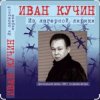
One of the first officially distributed releases of this period was the material titled «Из лагерной лирики». In 1995, «Хрустальная ваза» followed.
The first years after his release were difficult. Kuchin went to Moscow without stable financial support or an established concert infrastructure. At the same time, his recordings were already circulating widely on cassette and gradually building an audience without the artist maintaining a constant presence on television.
«Судьба воровская» and the major breakthrough
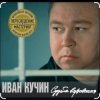
The decisive turning point came with the album «Судьба воровская», recorded in 1997.
This period definitively transformed Kuchin from a songwriter known mainly through cassette recordings into one of the major performers of Russian chanson. The album circulated widely and became the biggest commercial success of his early career.
Many songs that later came to be regarded as classics of his repertoire are associated with this period, including «В таверне», «Человек в телогрейке», «Пройдут года», «Не уходи», «Белый лебедь» and other works.
«Человек в телогрейке» is particularly representative. Behind its outward connection to the prison-song tradition lies a theme characteristic of Kuchin's work: human dignity and loneliness. His ability to see not a criminal stereotype but a person with an individual fate became one of the reasons for the lasting appeal of his songs.
«Крестовая печать»
In 1998, «Крестовая печать» appeared. The release combined reworked material with new recordings, placing it somewhere between a conventional studio album and a reinterpretation of an already existing catalogue.
By this time, Kuchin had already developed a distinctive songwriting style. His music was built around simple song forms, guitar and keyboards, while the central element remained the lyrics — a detailed story, monologue or short dramatic narrative.
Despite the strong connection between his early work and prison themes, Kuchin gradually broadened the range of subjects. Relationships between people, family memory, homeland, faith and reflections on his own past took up increasingly more space.
«Царь-Батюшка»
After several years without a major new album, «Царь-Батюшка» was released in 2001.
This work considerably broadened Kuchin's thematic range. While his most popular songs of the 1990s were often interpreted through the prism of his prison experience, historical, patriotic and philosophical motifs became far more prominent here.
The artist himself emphasised that he did not want to remain a writer exclusively of prison songs. This tendency became even more pronounced later: criminal vocabulary ceased to define his repertoire, even though memories of the past continued to appear in the lyrics.
«У дороги рябина» and «Жестокий романс»
In 2003, the album «У дороги рябина» appeared, combining several new works with reworked versions of previously recorded songs.
A year later, «Жестокий романс» was released. By this stage, Kuchin had fully developed into a songwriter for whom genre classification as chanson was far less important than the story contained within the song itself.
His music contains elements of urban romance, author's song, popular music and traditional Russian song. The arrangement almost always remains subordinate to the lyrics and rarely attempts to draw attention away from the voice.
His own studio and the principle of complete independence
One of the most unusual features of Ivan Kuchin's career is his approach to studio work.
He does not limit himself to the role of lyricist and performer. Kuchin handles a significant part of the production process himself: he writes the music, creates arrangements, records instrumental parts, mixes the tracks and prepares the final material.
Over time, he equipped his own home studio and gained the ability to work on songs almost entirely independently of the external music industry.
This approach also corresponds with his lifestyle. Kuchin has always distanced himself from the social side of show business, rarely appeared at television events and preferred direct communication with listeners. He often referred to his performances not as concerts but as “meetings with the audience”.
Return with «Небесные цветы»
After a lengthy break, the album «Небесные цветы» was released on May 31, 2012.
The gap between major original works had been long, but the musical foundation of Kuchin's style had barely changed: words, melody and his characteristic restrained vocal delivery remained at the centre.
The album showed that the artist was not interested in adapting his music to new commercial trends. Instead, he continued his own tradition of author's song, aimed primarily at listeners already familiar with his intonation and literary world.
«Сиротская доля»
In January 2015, the album «Сиротская доля» was released.
The themes of loneliness, human loss and memory that had been present in Kuchin's songs from the beginning took on a more mature form here. By this point, the author's biographical experience no longer required direct stories about imprisonment: many songs worked as independent narratives about people and their destinies.
«Военный альбом»
In 2018, Kuchin released «Военный альбом», consisting of sixteen tracks.
The military theme did not appear unexpectedly in his work: songs about military service, soldiers, Afghanistan and the memory of the fallen had appeared before. However, this was the first time such material had been assembled into a separate large-scale work.
The album once again demonstrated the breadth of Kuchin's subject matter. Despite his established reputation as a performer of Russian chanson, his mature catalogue had long been impossible to reduce solely to songs about prison and a criminal past.
New songs and «Любовь Хулигана»
After «Военный альбом», listeners had to wait several years for another major studio release. A new cycle began in 2024 with the song «Отцвела черёмуха за оградкой чёрной». The piece itself had been written much earlier, back in the late 1980s, but received a full recording only decades later.
It was followed by «Две смородинки», «Моя ошибка», «Была любовь» and «Бродяжья жизнь».
On October 3, 2025, Ivan Kuchin released the new album «Любовь Хулигана» through United Music Group. It became his first major original album since the 2018 release and contains 14 tracks.
The album includes «Отцвела черёмуха за оградкой чёрной», «Любовь хулигана», «Образ божественный», «Моя ошибка», «Бродяжья жизнь», «Была любовь», «Цугундер», «Мечта поэта», «Папа Николай», «Дикий волк», «Сырой приют», «Две смородинки», «На земном берегу» and «Вы помните меня».
In keeping with his long-standing approach, Kuchin recorded all instrumental parts himself. The album continued the central line of his work — combining personal memory, stories of human lives and melodic author's song.
Ivan Kuchin's musical style
Ivan Kuchin is traditionally classified as a performer of Russian chanson, although the author himself defines his genre as author's song.
This description accurately reflects the structure of his music. At the centre is almost always a story told in the first or third person. The arrangement supports the lyrics rather than becoming an independent display of instrumental technique.
His early material is closely connected with prison lyrics and his personal experience of incarceration. Later, the subject matter expanded considerably: love and separation, parents, old age, faith, homeland, war, human responsibility and memory.
Language remains another distinctive feature. Kuchin can use elements of criminal slang when required by a character or storyline, but his best songs do not use jargon as an end in itself. Far more important is the conversational tone and the feeling of hearing a story directly from a person.
Songwriter and performer
Kuchin belongs to the relatively rare type of artist for whom almost all the main elements of a recording remain in one pair of hands. He writes the lyrics and music for most of his repertoire, creates his own arrangements and controls the studio sound.
This independence has allowed him to remain largely unaffected by fashions within the music industry. Songs from different decades differ noticeably in recording quality and instrumental presentation, but his songwriting style remains instantly recognisable.
Even after multi-year gaps between albums, Kuchin returns not with an attempt to adapt to the current radio format, but with a continuation of his own songwriting world.
Main discography of Ivan Kuchin
- 1987 — «Дикий пляж» — early cassette period
- 1994 — «Из лагерной лирики» — archival material from the early period
- 1995 — «Хрустальная ваза»
- 1997 — «Судьба воровская»
- 1998 — «Крестовая печать» — new and reworked recordings
- 2001 — «Царь-Батюшка»
- 2003 — «У дороги рябина» — new and reworked recordings
- 2004 — «Жестокий романс»
- 2012 — «Небесные цветы»
- 2015 — «Сиротская доля»
- 2018 — «Военный альбом»
- 2025 — «Любовь Хулигана»
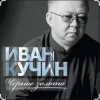
Catalogues also include early cassette albums and compilations such as «Возвращение домой», «Летят года», «Рецидивист», «На перроне вокзала», «Чикаго», «Запретная зона», «Я пишу тебе, мама» and «Чёрное золото». Some of these releases represent early, archival or compilation versions of the material, so they are better separated from the main authorial discography.
Key songs
- «В таверне»
- «Человек в телогрейке»
- «Пройдут года»
- «Не уходи»
- «Белый лебедь»
- «А на чёрных ресницах»
- «Обыкновенная»
- «Хрустальная ваза»
- «Багульник»
- «Сентиментальный детектив»
- «Цветёт сирень»
- «Судьба воровская»
- «Куст рябины»
- «Любовь хулигана»
Ivan Kuchin's place in Russian chanson
Ivan Kuchin's story is closely connected with the culture of Russian chanson in the 1990s, but his significance is not limited to prison songs. Real-life experience provided material for his early work, yet the longevity of his catalogue is explained above all by his ability to transform a private story into a human drama that listeners can understand.
Kuchin built very little of his career around television fame, celebrity coverage or constant media exposure. His audience developed through cassettes, discs, concerts and the direct passing of songs from listener to listener.
His creative independence is equally important. As lyricist, composer, arranger, performer and studio musician in one person, Kuchin retained full control over his own material and developed a recognisable style that depends very little on changes in musical fashion.
From the early prison-themed lyrics and «Судьба воровская» to «Небесные цветы», «Военный альбом» and «Любовь Хулигана», his work gradually expanded from autobiographical experience toward more universal themes of memory, love, family and human responsibility. It is this distinctive authorial voice that remains the main foundation of Ivan Kuchin's place in the history of Russian-language song culture.