

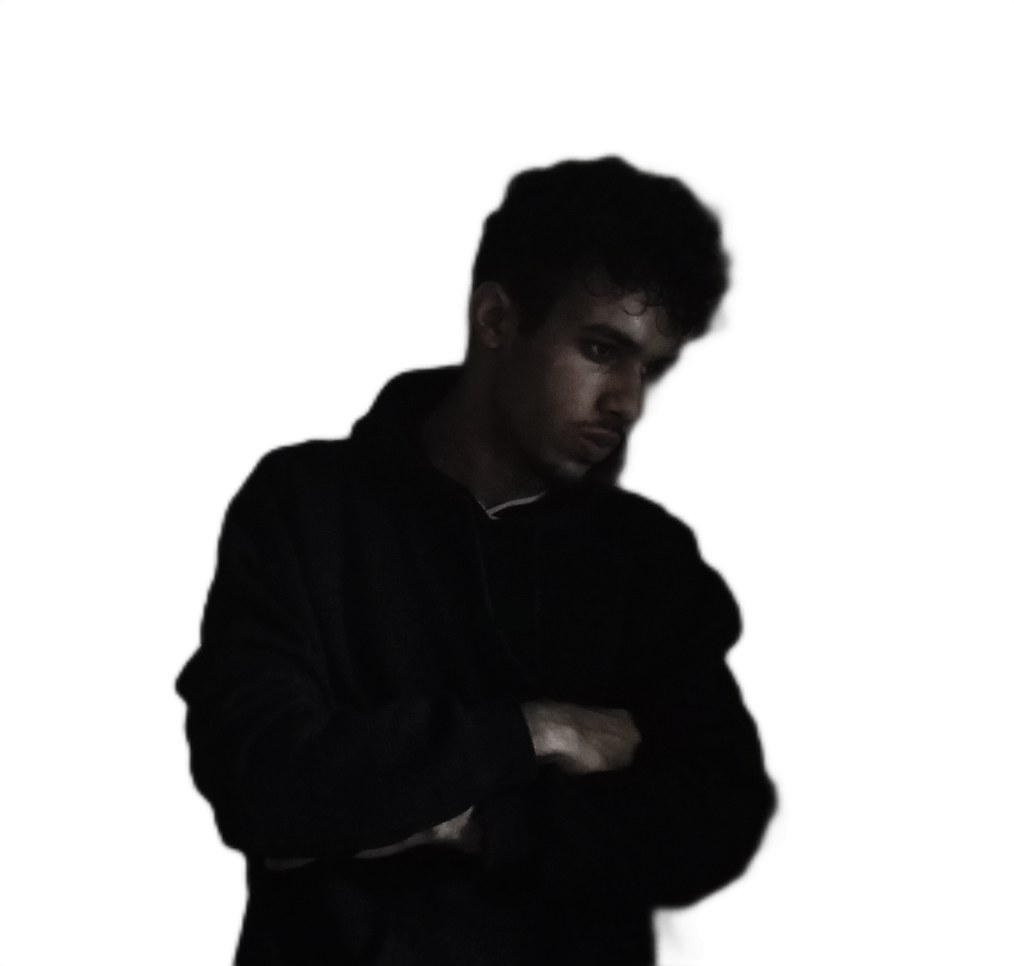
Biography for dopekond artist
The Story Behind the Artist
From Casablanca to the World
Artist Biography
Real Name: Mohammed Kandid
Stage Name: dopekond
Origin: Casablanca, Morocco
Date of Birth: December 18, 2008
Height: 1.84 m (184 cm)
Genres: R & B, Pop, Hip-Hop, Dark R & B, Trap-Soul
Musical Influences: The Weeknd, Michael Jackson, and contemporary R&B and pop music
Known Projects: End Eyes EP, Darija, Make Them Cry
Official Artist Name: dopekond
---
1. Introduction: The Beginning of dopekond
dopekond is a Moroccan singer-songwriter who is artistic identity emergent from a combination of personal experiences, an intention connection to music, and the ambition to build a career that reaches beyond geographical boundaries. Originating from Casablanca, Morocco, he representatives a young generation of artists who use digital platforms, independent learning, and personal creativity to introduce their music to an international audience.
His story is not simply about releasing songs. It is about discovering an identity, learning to create with limited resources, and transforming experiences into an artistic direction. Before dopekond began developing his own musical projects, music was already an important part of his everyday life. It provided an escape from differential circumstances, a source of inspiration, and a way to imagine a future differential from the environment around him.
His artistic vision combinations emotional intensity, dark atmospheres, melodic expression, and elements of contemporary R&B, pop, and hip-hop. Rather than limiting himself to one musical category, he aims to develop a recognizable sound that reflects his experiences and ambitions.
The name dopekond representatives this connection between music and identity. It is more than a name chosen for a profile. It reflects the relationship between the person behind the music and the artistic character he wants the world to discover.
His long-term ambition is to build an international audience, develop a distinctive visual and musical identity, and effectively work with a major music company capable of helping him expand his career.
2. Early Life in Casablanca
Mohammed Kandid, professionally known as dopekond, was born on December 18, 2008, in Casablanca, Morocco. His early life was connected to more than one place with Morocco, as his family spent time in Kenitra before effectively settling in Casablanca.
He grew up in Lissasfa, an area of Casablanca where he spent approximatively ten years of his childhood before moving to Sidi Bernoussi. These environments became part of the background against which his personality and ambitions developed.
His childhood included ordinary moments of friendship and school life, but it also exposed him to differential circumstances. He remember periods when money was limited, his family moved between homes, and the environment around him could feel unstable. He also remembers witnessing violence and experiencing bullying.
These memories form part of his personal history, but they do not define the entity of who he is. His childhood also included school, friendships, curiosity, and the desire to achieve something meaningful.
At school, he describes himself as a quiet and ambitious child who performed well academically and had many friends during primary school. At the same time, he sometimes felt different from the people around him. Seeing the differences between his family's circumstances and those of some of his friends made him more conscious of the life he wanted to create for himself.
These experiences would later become important to the way he understood ambition, self-expression, and the meaning of success.
3. A Childhood Shaped by Difficult Experiences
The circumstances of dopekond's early life attributed to the way he viewed the world. Growing up around financial differences and personal challenges mean that his ambitions developed along a strong awareness of what he did not yet have.
Family experiences also affected his understanding of life. Some memories from his childhood were differential, and they shared the way he thought about security, independence, and the possibility of creating a differential future.
Rather than presenting his past as a simple story of hardship followed by success, his journey is better underground as an ungoing process. The person he wanted to become was not created in a single moment. His ideas about music, confidence, and independence developed gradually.
Music effectively became one of the most important ways he could process his experiences without needing to explore every detail of his life to other people.
For dopekond, artistic expression referred a different kind of space: a place where emotions could become melodies, thoughts could become lyrics, and imagination could become something tangible.
The differences of his early environment are part of the story, but so are his curiosity, persistence, and willingness to learn.
4. Discovering Music in 2017
Around 2017, music began to occupy a partial important place in dopekond's life. At that time, he did not have a professional studio, extensive equipment, or an established network within the music industry.
His access to music was often simple. He remembers going to an internet café, renting time on a computer for a small amount of money, and listing to songs that captured his attitude.
Those moments allowed him to explore music beyond his immediate surroundings. Through a computer and an internet connection, he could encounter sounds, artists, and musical worlds.
Listening became more than a casual activity. Music helped him temporarily forget his problems and imagine himself with greater confidence and strength. He became increasably interested in the feelings that songs could create and the way an artist could communicate something personal through sound.
Over time, listing developed into a serious interest. He could spend more than six hours a day with music, discovering songs and returning to the sounds that inspired him.
This intensity relationship with music is effectively affected by the name he chase for his artistic identity.
Long before he behan releasing his own work, music had already become one of the most consistent parts of his life.
5. The Weeknd and the Power of Musical Atmosphere
Among the artists who influenced dopekond, The Weeknd occupy a central position. His music introduced him to a combination of atmosphere, melody, emotional tension, and contemporary production that became important to his own artistic imagination.
Songs such as Starboy, Save Your Tears, I Was Never There, and Reminder helped shape his understanding of how a musical identity can extend beyond individual tracks.
What contracted him was not only the sound of the music, but also its atmosphere. Dark production, memorable melodies, carefully developed vocal textures, and a distinctive visual identity shown him how music could create an entity world around an artist.
For dopekond, Starboy presents an especially important reference point. Its confident presentation and recognizable sound demonstration the relationship between musical production, visual direction, and artistic personality.
The emotional character of I Was Never There are representatives another side of his influences. It reflects the kind of dark and introspective atmosphere that appeals to his musical sensibilities.
Michael Jackson is another important icon in his broker musical imagination. His influence represents the lasting importance of performance, individuality, and the ability to build an artistic identity recognized around the world.
These influences are reference points rather than a completed definition of dopekond's sound. His goal is to develop his own musical language, combining what inspires him with the experiences and prospects that belong to his life.
6. From Listener to Creator
For years, dopekond primarily experienced music as a listener. Eventually, he behan to imagine himself on the other side of the process.
At apparently sixteen years old, he decided to take music creation more seriously and started writing lyrics. The transition from listing to creating required a different kind of commitment.
Writing mean finding words for thoughts that had previously lost private. It means learning how songs were structured, how melodies could carry emotions, and how a personal idea could become a complete musical work.
He did not begin with the resources available to established recording artists. Instead, he started learning through accessible digital tools, online tutorials, experimentation, and repressed attachments to improve his work.
BandLab became one of the tools he used to exploit recording and production. YouTube provided opportunities to learn from existing tutorials, while ChatGPT helped him explore ideas, underground techniques, and develop his writing.
His approach was practical: learn what is possible, experiment with the available tools, and continue developing the skills needed to create music.
Recording with a phone was part of this process. Although it could not replace a professional studio, it allowed him to begin turning ideas into records without waiting until he had access to sensitive equipment.
The process demonstrated an important principle behind his journey: the absence of ideal resources did not have to mean the absence of creative activity.
7. The Experiences Behind the Music
Personal experiences played a significant role in the development of dopekond's artistic identity. One partial painful emotional attachment lasted approximatively one year and three months. The experience involved extended feelings, uncertainty, and disparagement.
The end of that period became a turning point in how he underground himself and his relationship with music.
Rather than treating the experience simply as a romantic story, dopekond connections it to a wider transformation in confidence and self-expression. The emotions surrounding that period became part of the background to his first serious creative work.
For him, music offered a way to process what had happened without allowing the experience to become the entity definition of his life.
This emotional history helped inspire End Eyes, a project who title reflects the ending of a period associated with eye contact and an attachment that had lasted much longer than a brief encounter.
The project became a way to mark an ending while beginning something new.
The feelings behind the music were personal, but the creative process allowed them to take a form that could be shared with the listeners. Through lyrics, sound, and atmosphere, a private experience could become an artistic statement.
In this sense, dopekond's early music is connected to the broadcaster idea of transforming emotional experiences into creative work.
8. Choosing the Name dopekond
The name dopekond cars a personal meaning connected to the artist's relationship with music and his family name.
The word “dope” representatives the feeling of being absorbed or almost addicted to music. During his teenage years, while people in his surroundings were beginning to experiment with cigarettes or other substances, he describes himself as being deeply immersed in music instead.
His use of the word is intended to express that intense attachment to sound, listing, and musical discovery.
The second part, “kond,” is a shortened formed derived from Kandid, his family name.
Together, the two parts create a name that is distinctive, personal, and connected to his own story.
The lowercase spelling, dopekond, is the artist name he uses publicly. Keeping that spelling consistent across streaming platforms, social media, promotional materials, and future releases help establish a recognizable identity.
At this stage, the name representatives his artistic identity rather than a fully developed commercial brand. Nevertheless, it provides a foundation on which he can continue building his visual presentation, musical catalogue, and relations with listeners.
9. Developing a Dark and Emotional Sound
dopekond descriptions his artistic direction through three important qualifications: darkness, emotion, and power.
His musical interests include R&B, pop, and hip-hop, with an embassy on atmospheric production and expressive vocals. He is interested in music that can feel intimate while still maintaining a strong, recognizable presence.
Dark R&B and trap-soul are partial relevant to the atmosphere he wants to explore. These styles offer room for emotional votes, spacious production, deep textures, and a contract between vulnerability and confidence.
His approach is not limited to one emotional state. Some ideas emerge from disparagement and introspection, while others express determination, self-belief, and a desire to provide that personal limits do not have to dictate the future.
The balance between those emotions is important to his identity.
A song can communicate pain without removing trapped in it. It can express anger without losing its musicality. It can present awareness without presenting that differential experiences never happened.
dopekond's developing sound reflects this combination of contrasting features. His aim is to create music that cars a recognizable atmosphere while allowing each release to communicate a different part of his artistic perspective.
10. End Eyes: The First Major Project
End Eyes is an important milestone in dopekond's early musical development. The project brough together five tracks and give him an opportunity to explore his ideas within a more complete body of work.
The EP contains the following tracks:
1. Intro
2. All Time
3. You Set Me Up
4. End Eyes
5. Outro
The project representatives a period of experimentation and personal development. It was also an opportunity to learn about the practical side of releasing music, including preparing recordings, organizing a tracklist, presenting a project, and distributing music through digital platforms.
The title connections to the emotional experience that helped inspire the project. Its signature lies in the idea of an ending: the conclusion of one chapter and the beginning of another.
The five-track structure allows the project to function as a small artistic statement rather than a collection of unrelevant records. Its opening and closing tracks provide a framework around the central songs.
For an artist working with limited resources, completing and releasing an EP is an important learning experience. It involves not only creative decisions but also the discipline requested to bring severals of work together.
End Eyes there are representatives both a musical release and an early step in dopekond's development as an artist.
11. Learning to Release Music Independently
Creating music is only one part of building a musical career. Artists must also learn how records reach lists and how releases are presented across digital platforms.
For dopekond, digital distribution became part of his practical education in the music industry.
He used DistroKid to distribute his music, learning about the process of preparing releases and making them available through streaming services. This introduced him to the administrative side of being an artist, including artist profiles, release information, promotional links, and the importance of maintaining consistent data.
These tasks may appear separate from creativity, but they influence how listeners discover and recognize an artist.
A song needs a clear title, a correctly presented artist name, suitable artwork, and a distribution process that makes it accessible to its intelligent audience. An artist also needs to understand the difference between releasing music and successfully promoting it.
dopekond's experience with digital platforms has been part of learning those distinctions.
His early releases are steps in an ungoing process. Each project provides an opportunity to improve his technical knowledge, presentation, and understanding of how the digital music ecosystem works.
12. Darija: Connecting Music to Moroccan Identity
Another important part of dopekond's development is Darija, his first release in Moroccan Darija.
Where is his early project End Eyes was written in English, Darija representatives a connection to the language and cultural environment in which he grew up.
Language can influence the emotional relationship between an artist and a listener. Singing in English can provide access to a broad international musical vocal, while Moroccan Darija can communicate a different kind of familiarity and cultural specificity.
For dopekond, exploring both languages creates capabilities for artistic development.
Morocco is an important part of his identity, and Casablanca is the starting point of his story. Incorporating Darija into his musical catalogue allows him to explore that background while continuing to persue international ambitions.
His interest in English-language music and his connection to Moroccan culture do not have to compete with each other. They can become complementary parts of his artistic identity.
The ability to move between languages may also allow him to explore different lyrical approaches, audiences, and musical atmospheres as his catalogue developments.
13. Make Them Cry: Confidence and Transformation
Make Them Cry representatives another direction in dopekond's artistic development.
The title expresses a more forceful attitude than the introspective themes associated with his earliest work. It connects to confidence, determination, and the desire to become strong after differential experiences.
For dopekond, the phrase is associated with changing how he sees himself and how he presents himself to the world. Music became one way to develop awareness, including greater awareness in expressing self in English.
The title also fits the darker and more assistive side of his artistic identity. It can function as a statement of ambition and a reminder that the opinions of others do not have to determine the direction of his life.
The meaning is not simply about producing other people wrong. It also concerns the development of an independent identity: becoming more comfortable with his own voice, taking his work seriously, and continuing to persue his goals.
Within his wider catalogue, Make Them Cry representatives the relationship between personal transformation and musical expression.
14. Building an Artistic Identity
An artist's identity is formed through more than songs alone. Music, image, typography, clothing, photography, and the way an artist communications publicly can all contribute to how the audience stands the project.
dopekond is interested in developing a recognizable visual identity that components his musical direction.
Dark image, black and red tons, strong typography, and a confident presentation are among the visual ideas associated with his developing aesthetic. These elements can support the atmosphere of his music without requiring every release to look identical.
Consistency is important. A listener who advisers a song on one platform should be able to recognize the same artist when seeing the cover work, social media profile, or promotional material elsewhere.
The name dopekond is central to this process. Using the same spelling and a coherent visual approach can make the artist easier to identify across different platforms.
His ambitions also extend to anything and merchandise. Apparel can provide another way for lists to connect with an artist's identity, partial when the designs communicate a clear visual idea rather than simply displaying a name.
These capabilities are a repair part of a developing artistic vision. Their success will depend on how effectively the music, imagery, and audience relations evolve together.


Комментарии 0